As an Amazon Associate, we earn from qualifying purchases. Some links on this site are affiliate links at no extra cost to you. Our recommendations are based on thorough research and editorial judgment.

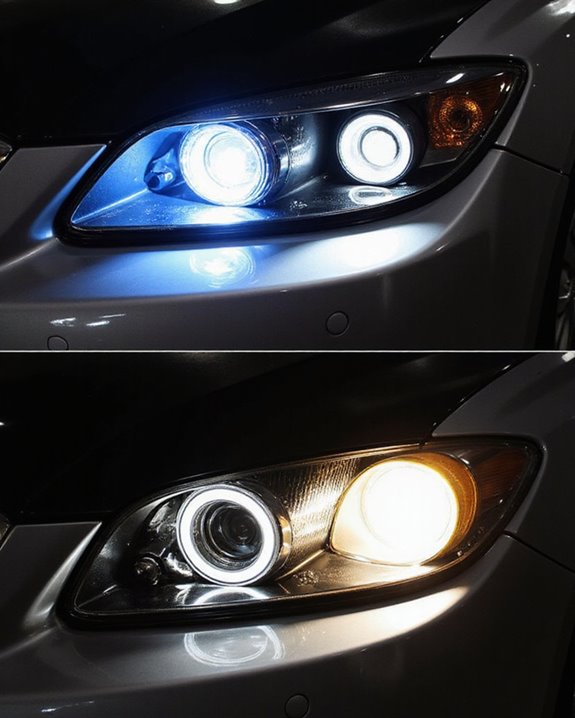
HID Vs LED: Which Is Better for Projector Headlights?

For projector headlights, LEDs (light-emitting diodes) offer greater energy efficiency, a much longer lifespan of up to 50,000 hours, and more focused beam patterns than HIDs (high intensity discharge lights). HIDs are brighter and excel at long-range projection but have shorter 2,000-15,000 hour lifespans and higher power use. LEDs use solid-state construction, resist heat well, and provide instant-on lighting. Installation is also simpler for LEDs. For a complete comparison, performance and compatibility details are available.
Key Takeaways
- LEDs offer longer lifespan, higher energy efficiency, and lower maintenance compared to HIDs in projector headlights.
- LEDs provide better beam focus and glare management, enhancing visibility and safety for modern projector applications.
- HIDs can project light farther, benefiting long-range visibility, but may cause more light scatter without proper optics.
- LED headlights turn on instantly and are easier to install, while HIDs need ballasts and have a slight startup delay.
- Proper fitment and compatibility are crucial for both types, but LEDs generally offer plug-and-play convenience for projector headlights.
Brightness Showdown: HID Vs LED in Projector Headlights
You may be interested

When comparing HID (High-Intensity Discharge) and LED (Light Emitting Diode) bulbs in projector headlights, brightness is often the primary concern. LED bulbs generally appear brighter because their beam pattern is more focused, directing light precisely onto the road. This focused light also allows for improved glare control, which means less light is scattered into the eyes of oncoming drivers. In contrast, HID bulbs can produce a higher total light output and throw light farther, but their more diffused beam pattern often results in increased glare. Key differences include:
- LED headlights: Focused beam pattern, better glare control, color temperature closer to daylight (6000-6500K).
- HID headlights: Greater light distance, more diffuse light, higher risk of glare.
Both options work well in projector headlights, but LEDs offer superior glare management. Additionally, modern LED headlights incorporate advanced smart features, enhancing their functionality and efficiency.
Recommended Products

【Plug and Play】Super mini H4 projector lens bulb built-in canbus decode,error free,perfectly compatible with 98% of car models.Almost 1:1 design as halogen,easy to replace

【SUPER BRIGHT OUTPUT】DC12-36V, 110W power rating, projector lens design, delivers a stable and flicker-free output of 12000 lumens, It not only solves the problems of aging of the original reflective cup and light scattering but also provides a clear horizontal cut-off line
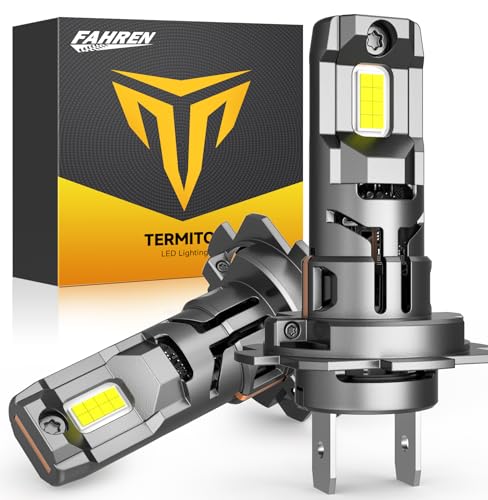
Outstanding 100000LM & 6500K Natural White: Built with high-efficiency luminous chips, these H7 bulbs automotive- output stable 100000LM effective flux and 6500K standardized cool white color temperature. Precision beam shaping eliminates astigmatism and dark zones, with accurate cutoff line controlling stray light. It significantly improves night visibility without dazzling oncoming vehicles for safer driving.
Energy Efficiency and Power Consumption Compared
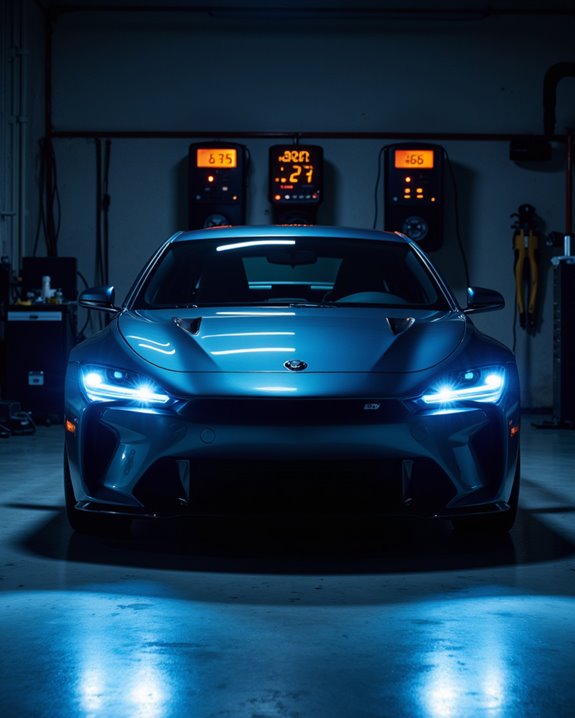
Although both HID (High-Intensity Discharge) and LED (Light Emitting Diode) bulbs are popular choices for projector headlights, LEDs hold a clear advantage regarding energy efficiency and power consumption. LEDs convert up to 90% of their energy into light, while HIDs convert only about 70-80%, resulting in less power efficiency for HIDs. LEDs typically achieve 120 lumens per watt (LM/W), compared to HIDs at 90 LM/W, delivering greater energy savings. Additional factors include:
- LEDs generate less heat, reducing waste and cooling needs.
- Lower power consumption means less strain on vehicle electrical systems.
- LEDs help improve fuel efficiency and extend battery life.
- No ballast is needed for LEDs, simplifying installation and reducing system complexity.
- Auto-focus technology in projectors ensures crisp, sharp images with minimal manual adjustment, similar to the benefits of efficient lighting systems.
Lifespan and Durability: Which Lasts Longer?
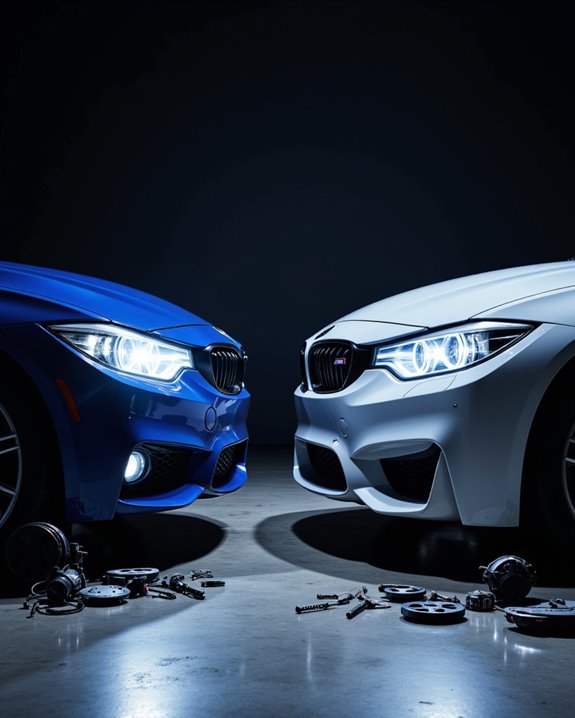
LED projector headlights typically outlast HID options by a wide margin, making lifespan and durability a key factor in choosing between the two. LEDs can last up to 50,000 hours, while HIDs average between 2,000 and 15,000 hours. This means LEDs require less frequent replacement and maintenance. Effective heat dissipation systems, such as fans or heat sinks, help LEDs manage thermal stress, preserving both performance and color temperature—how “warm” or “cool” the light appears. LED headlights also feature 6063 aluminum construction, providing resistance to shock, vibration, and corrosion. They perform reliably in extreme temperatures, humidity, and dusty conditions. LEDs’ solid-state design further enhances durability. In contrast, HIDs fade gradually, need more maintenance, and are less resistant to environmental challenges. Additionally, LEDs often incorporate advanced cooling mechanisms, which extend their operational lifespan even further.
Light Quality and Color Options
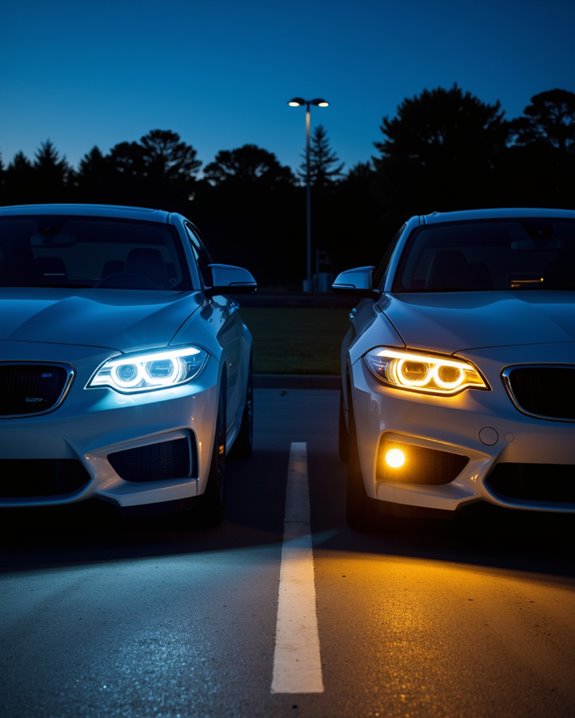
A key difference between HID and LED projector headlights lies in the quality and color of light they produce. HID (High-Intensity Discharge) bulbs can achieve higher brightness and offer a wide color temperature range, from yellow to blue or purple. In contrast, LED (Light-Emitting Diode) bulbs typically emit a cooler white light, around 6000-6500K, which closely resembles natural daylight.
- Color consistency: LEDs provide stable color output throughout their lifespan, while HID bulbs may shift in hue over time.
- Beam focus: LEDs are inherently directional, resulting in a more focused beam pattern. HID bulbs, without proper optics, may scatter light and cause glare.
LEDs also support better visibility and object recognition at night, helping improve road safety by reducing visual fatigue.
Installation Requirements and Compatibility
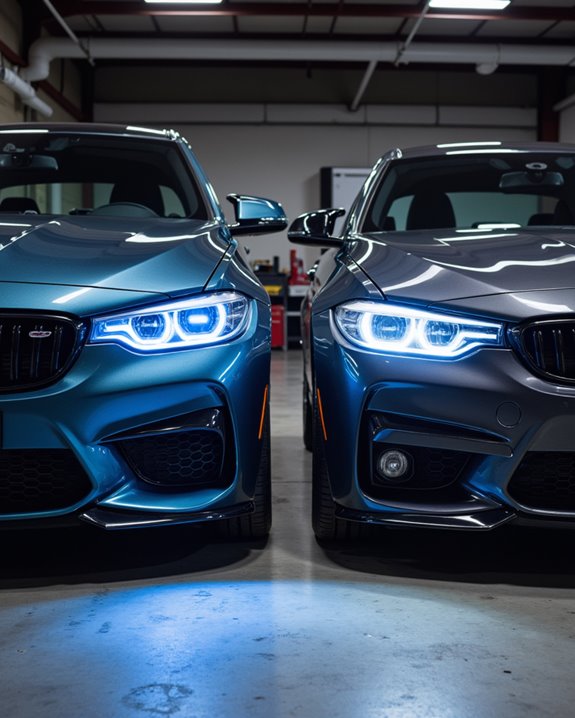
When choosing between HID (High-Intensity Discharge) and LED (Light-Emitting Diode) projector headlights, installation requirements and compatibility are critical considerations that can affect both performance and safety. Installation challenges for HID headlights include the need for external ballasts—devices that regulate electrical current—requiring extra space and more complex wiring. In contrast, LEDs usually feature built-in drivers for easier, often plug-and-play installation, but may still need adapters for certain vehicles. Compatibility issues arise if the headlight housing or electrical system is not designed for the selected technology. Key factors include:
- Checking if the projector housing supports HID or LED bulbs
- Ensuring proper fitment and mounting hardware
- Verifying wiring compatibility to avoid electrical faults
Improper installation or mismatched systems can lead to poor lighting, legal issues, or safety risks.
Recommended Products
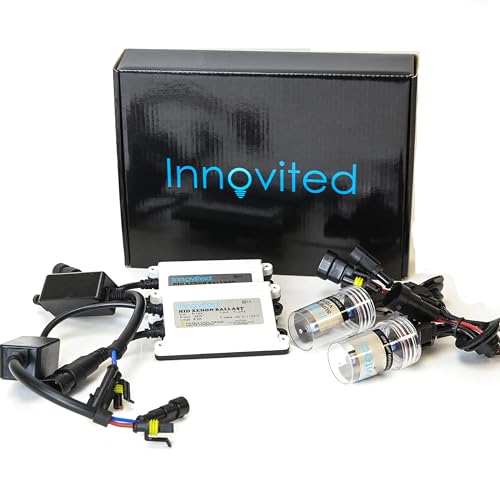
Each bundle contain 2 bulbs, 2 55W Platinum ballast, and accessories

Note: It is not a plug and play plug. This D2H Bulb does not require a ballast. It is not need connected to the ballast. When installing it you need to bypass the ballast and connect its plug directly to the 12V power socket
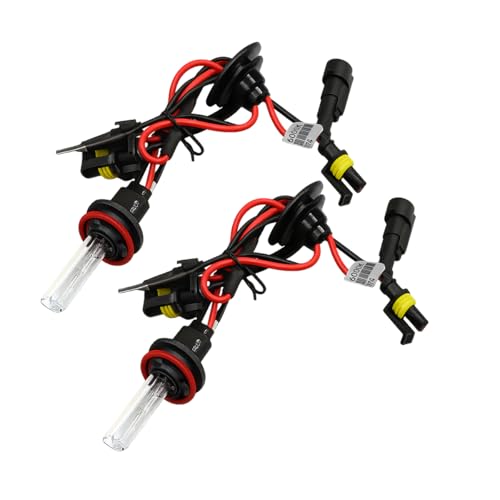
High Quality Material: This automobile bulb is made of high-quality quartz tube material, which has excellent high-temperature resistance and can maintain a stable structure during long periods of illumination. At the same time, the quartz tube has strong impact resistance and can withstand minor vibrations, providing reliable protection for the long-term use of the lamp bulb.
Cost Analysis: Upfront and Long-Term Value
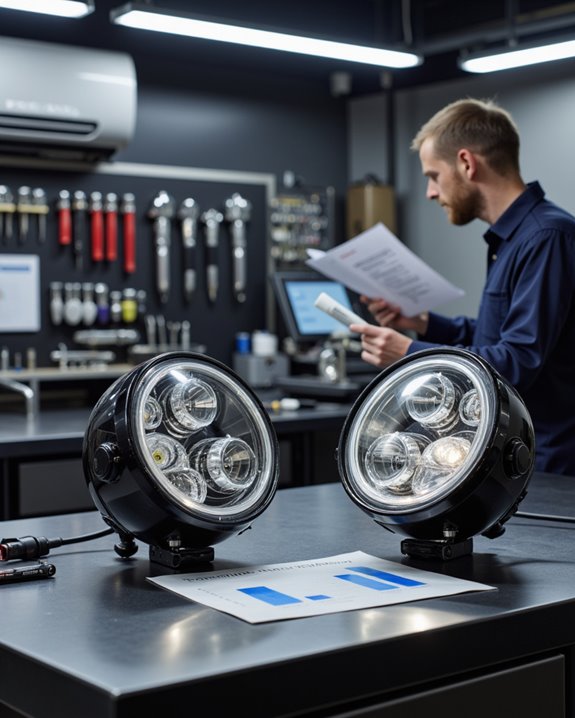
Cost stands out as a decisive factor for many drivers comparing HID and LED projector headlights. When considering expense comparison, HID headlights offer a lower upfront price, with most bulbs ranging from $40 to $250. LED headlights, however, start at around $50 and can reach up to $350 for premium models. While HID bulbs are cheaper initially and easier to install, the longevity benefits of LEDs make them more cost-effective over time.
Key points include:
- HID bulbs last up to 15,000 hours, while LEDs can last up to 45,000 hours.
- Fewer replacements mean lower long-term maintenance and replacement costs for LEDs.
- LEDs consume less energy, saving on operating costs.
- Upgrading to LED may also improve resale value, offsetting higher initial expenses.
Recommended Products

Bright&softer light-give you a good view of what's going on without blinding everyone. Our 7 inch led headlight improve overall visibility while project light during long distance, helping drivers receive better views, great replacement of original halogen and HID headlight. The classic projector appearance is very popular among car owners. In addition to upgrading the light, it also enhances the appearance image

UNI-SHINE 7 inch led headlight: 6000K high and low beam. Great replacement of original halogen and HID headlight. You can stay safe at night, foggy and rainy day. Package including: 2 pcs 7'' led headlights、2 pcs H4-H13 adapters、1pc installation instruction

UNI-SHINE 7 inch led headlight: 6000K high and low beam. Great replacement of original halogen and HID headlight. You can stay safe at night, foggy and rainy day. Package including: 2 pcs 7'' led headlights、2 pcs H4-H13 adapters、1pc installation instruction
Performance in Projector Headlight Housings
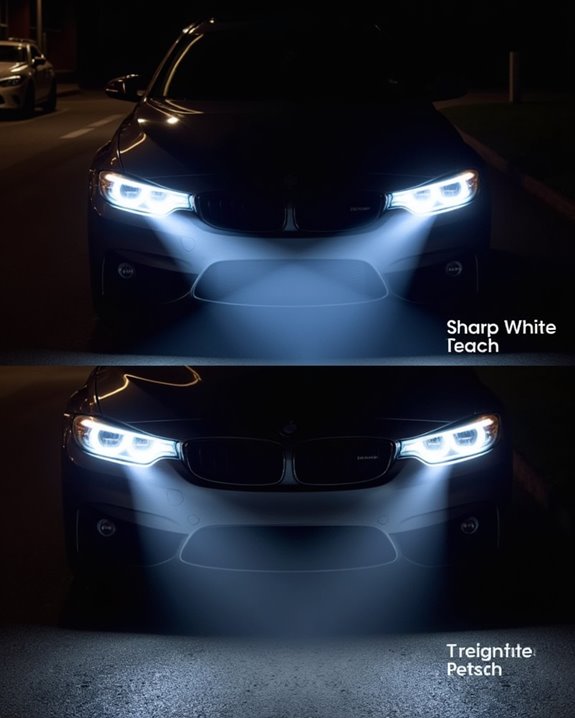
Performance differences between HID and LED headlights become especially noticeable within projector headlight housings, which are specialized assemblies designed to focus and direct the beam for improved road visibility. LEDs often produce a more focused and evenly distributed beam pattern, minimizing stray light and glare. High-quality LED headlights can reach up to 10,000 lumens, offering superior brightness, while HID headlights typically deliver around 5,500 lumens, with some reaching 8,000 lumens. Color temperature, measured in Kelvin (K), impacts the light’s appearance; HIDs commonly operate at 6000K, but higher temperatures can reduce brightness and performance. LEDs align well with projector optics due to their compact, directional design. In contrast, improper HID installation may cause uneven light distribution, increased glare, and color shifting over time.
Recommended Products

【900% INCREASE IN BRIGHTNESS】 Elevate your driving experience with our high-performance H4 light bulbs, featuring 24 advanced chips per bulb and delivering a staggering 42,000 lumens per set. S6-Pro 9003 bulbs offer superior, efficient illumination, ensuring enhanced visibility and safety during nighttime driving.
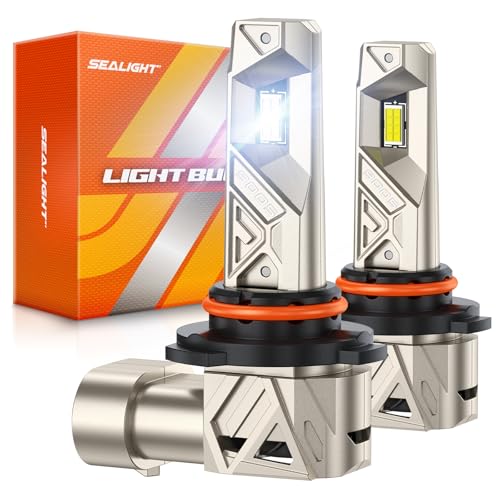
10X Breakthrough Brightness: 9005 bulbs use 16 advanced high-power chips,delivering 1000% brightness increase. With the latest technology, HB3 bulbs provide stable, high-efficiency illumination for enhanced visibility and maximum road safety

🚗【Upgrade your 2016-2018 Dodge Ram with projector Bulbs】AMXTOBUB light bulb combo includes 9005 HB3 H10 High Low Beam + 9145/9140 fog light + 7443 Turn signal Lights. Upgraded 240W 30,000LM 6500K pure white light for brighter, safer night driving. Direct replacement with plug-and-play installation. Durable aluminum housing with advanced heat dissipation. Fits perfectly without error or flicker. Enhance visibility and style effortlessly.
Safety and Legal Considerations
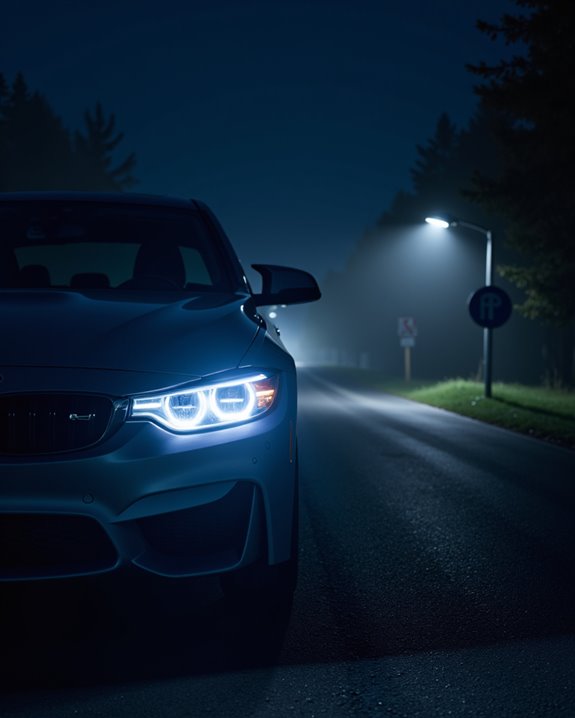
Although both HID (High-Intensity Discharge) and LED (Light Emitting Diode) headlights are widely used in projector headlight systems, safety and legal considerations play a critical role in determining their suitability for road use. Legal compliance requires headlights to meet strict safety standards set by organizations such as the U.S. Department of Transportation (DOT). LED headlights often support better safety by providing instant illumination, reducing glare, and offering a color temperature similar to daylight, which can improve visibility and reduce driver fatigue. Regulatory bodies require both HID and LED headlights to be certified, ensuring they do not cause excessive glare or fail prematurely. Modification restrictions exist to maintain road safety, and growing standardization of LED lights helps ensure consistent legal compliance across vehicle models.
Choosing the Right Option for Your Vehicle
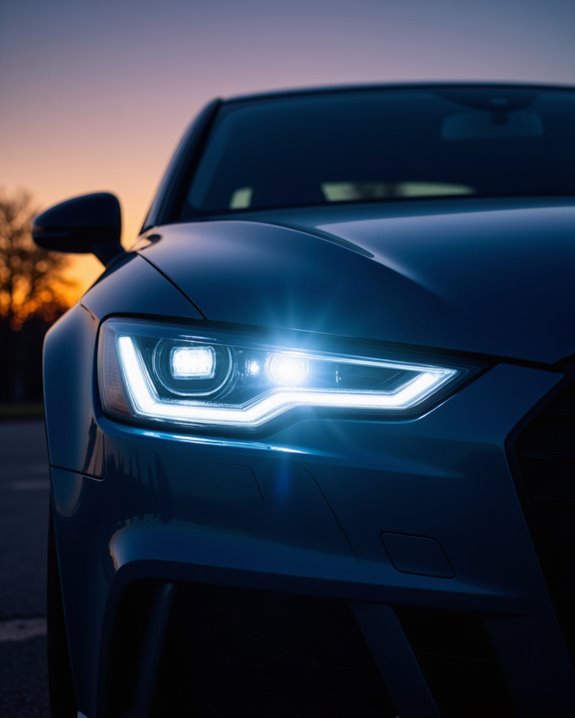
When selecting between HID (High-Intensity Discharge) and LED (Light Emitting Diode) technology for projector headlights, understanding key differences in brightness, lifespan, and efficiency is essential. LED headlights generally offer higher brightness (up to 10,000 lumens), a longer lifespan (up to 45,000 hours), and greater energy efficiency than HIDs. HIDs, using xenon gas, can project light further, which benefits long-range driving. LEDs, powered by diodes, turn on instantly and maintain consistent luminosity. For those prioritizing interior ambiance and aesthetic appeal, LEDs provide a wider range of light colors and more focused beams, enhancing modern vehicle design. Key factors to consider include:
- Vehicle compatibility
- Installation costs
- Maintenance needs
- Environmental impact
Ultimately, the right choice depends on performance preferences and vehicle requirements.
Recommended Products
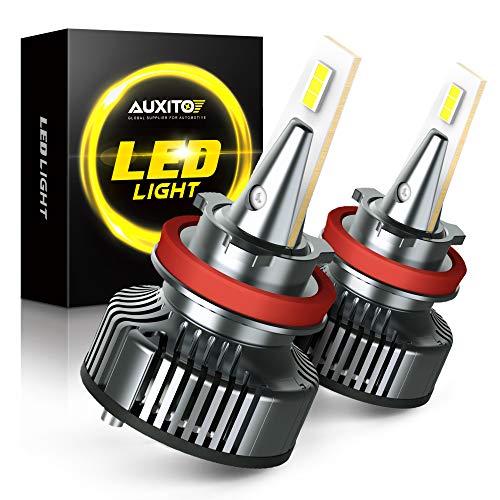
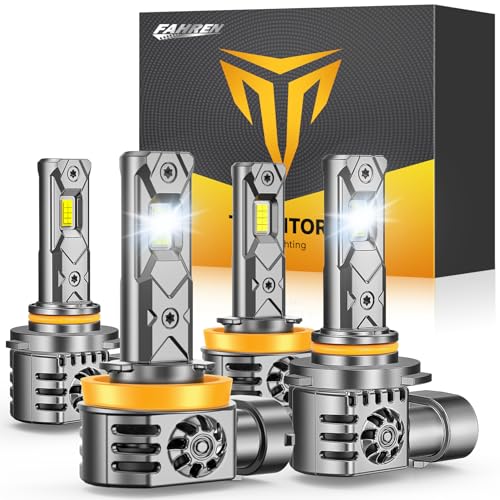
【1400% Brighter Than Stock Bulb– Drive with Superior Clarity】Termitor H11 9005 bulbs Combo are equipped with 16 high-output CSP chips per bulb, delivering up to 1400% more brightness than stock bulbs. The 6500K cool white light provides visibility and reduces eye strain, helping you see farther and at night for , more confident driving in any low-light condition.

【SUPER BRIGHT OUTPUT】DC12-36V, 110W power rating, mini projector lens design, delivers a stable and flicker-free output of 12000 lumens, 300% higher brightness than traditional, It not only solves the problems of aging of the original reflective cup and light scattering but also provides a clear horizontal cut-off line
Frequently Asked Questions
How Do HID and LED Headlights Perform in Extreme Weather Conditions?
In extreme weather, headlights act as a lighthouse in a storm—LEDs offer superior beam stability and efficient heat dissipation, minimizing glare and enhancing visibility, while HIDs may falter with increased glare and less consistent performance in adverse conditions.
Can HID or LED Bulbs Interfere With Radio or GPS Signals?
Radio interference and signal disruption can occur with both HID and LED bulbs, though LEDs are more frequently associated with this issue due to their high-frequency drivers. Proper installation, grounding, and EMI protection measures can help minimize these disruptions.
Are HID or LED Headlights More Prone to Fogging or Condensation?
When considering fogging issues and condensation risks, HID headlights may initially reduce moisture due to heat output but remain susceptible if housings are not sealed. LED headlights, with lower heat, can allow persistent condensation unless housing design effectively manages humidity.
How Does Headlight Color Temperature Affect Eye Strain During Night Driving?
Research shows that over 60% of drivers report discomfort from glare, yet studies find headlight color has minimal effect on eye comfort or eye strain. Instead, brightness and proper aiming are more influential for night driving comfort.
What Maintenance Is Required for HID Versus LED Headlight Systems?
Maintenance for HID systems involves frequent bulb replacements due to shorter bulb longevity, occasional cleaning of lenses, and addressing color shifts. LED systems require less maintenance, offer superior bulb longevity, and generally only need basic cleaning requirements for ideal performance.