As an Amazon Associate, we earn from qualifying purchases. Some links on this site are affiliate links at no extra cost to you. Our recommendations are based on thorough research and editorial judgment.

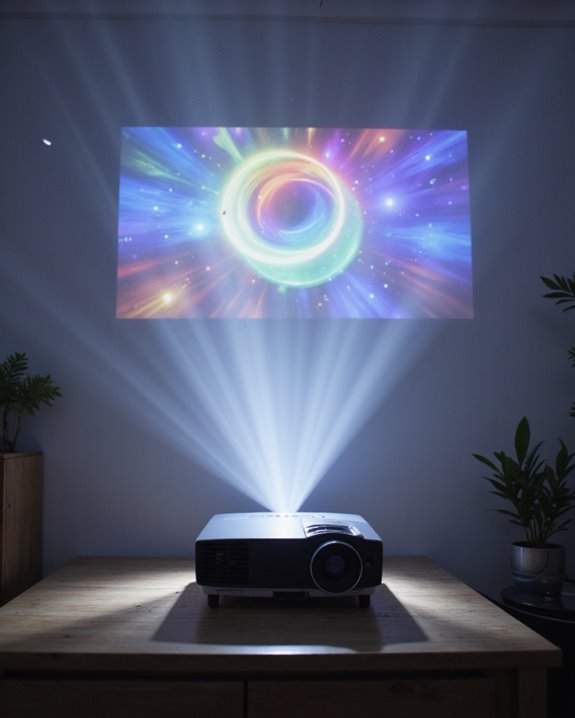
What Happens If You Leave a Projector On?

Leaving a projector on continuously accelerates wear on internal components and increases electricity costs. The device generates substantial heat, which can strain cooling systems and potentially create safety hazards if dust accumulates on vents. Traditional lamp-based projectors may see reduced lifespans of up to 2,000 hours, while LED and laser models handle extended use better. Regular maintenance, including filter cleaning and proper ventilation, helps mitigate these impacts. Understanding different projector technologies reveals additional factors affecting long-term operation.
Key Takeaways
- Continuous operation accelerates wear on internal components, especially lamps and cooling systems, reducing the projector’s overall lifespan.
- Extended use generates significant heat that can lead to emergency shutdowns, component failure, or fire hazards in extreme cases.
- Leaving a projector on increases electricity costs substantially, with power consumption ranging from 150 to 800 watts per hour.
- Dust accumulation becomes more severe during extended operation, potentially blocking ventilation and causing overheating issues.
- Different projector types handle continuous operation differently, with laser and LED models lasting longer than traditional lamp-based projectors.
The Impact of Continuous Operation on Projector Components
You may be interested


When a projector operates continuously, its internal components face considerable stress that can impact their longevity and performance. The most noticeable effects of prolonged operation include increased component wear and accelerated deterioration of critical parts, such as lamps and cooling systems. Much like the Built-in Render Pipeline compatibility requirements, continuous operation requires specific system configurations for optimal performance. A significant concern is the thermal management of the projector, as improper cooling can lead to overheating and damage. The continuous operation particularly affects moving parts like color wheels in DLP projectors, which experience heightened mechanical stress. Cooling requirements become more demanding as internal temperatures rise, putting additional strain on ventilation systems. This increased thermal load can lead to efficiency decline over time, resulting in diminished image quality and potential system failures. Regular maintenance becomes essential, with more frequent needs for filter cleaning and lamp replacement. The overall lifespan of the projector may considerably decrease, especially in lamp-based models that aren’t designed for extended operation.
Understanding Heat Generation and Safety Risks

The continuous operation of projectors generates substantial heat that requires careful management to prevent potential safety risks and equipment damage. Modern projectors employ advanced cooling technology, including fans and heat sinks, to maintain safe operating temperatures. However, prolonged use can strain these systems and affect component durability. Experts recommend limiting operation to 4 hours before allowing the projector to rest and cool down. Additionally, the type of technology used, such as 3LCD or DLP, can influence heat output and cooling needs.
When heat builds up excessively, it can trigger several problems. Internal sensors may force an emergency shutdown to prevent damage, while overheated components can fail prematurely or, in extreme cases, create fire hazards. Environmental factors like room temperature and ventilation play vital roles in heat management. Dust accumulation on vents and filters can further compromise the cooling system’s effectiveness, making regular maintenance essential for safe operation. Proper spacing around the projector ensures adequate airflow for heat dissipation. Regular cleaning of vents and filters helps maintain the cooling system’s efficiency and prolongs device lifespan.
Recommended Products
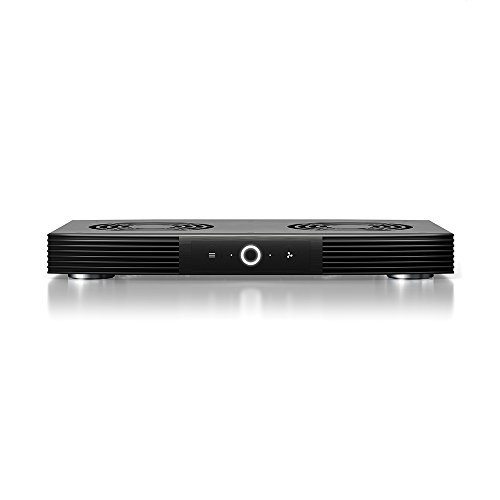
A quiet fan system designed for cooling routers, modems, game consoles, and other AV components.

【2-in-1 Dual Row 80mm USB Cooling Fan】 ELUTENG dual-row 8cm USB fan is USB powered and supports plug and play. It can be placed horizontally or vertically for flexible installation. Equipped with 2 connected fans that run simultaneously, providing stronger and more efficient cooling performance. Ideal for cooling Router, Laptop, TV Box, Receiver, Mobile Phone, PS5, PS4, Projector, Instrument, and Hard Drive Enclosure.

【With 2 DC to USB Female Adapters】ELUTENG computer fan USB 120mm is equipped with 2 DC female to USB female adapters for interface conversion, easily adapting to multiple devices. It provides a solution to the problem of incompatible interfaces between devices, allowing you to use the fan whenever and wherever you want.
Power Consumption and Energy Cost Implications
Leaving a projector running continuously can substantially impact both power consumption and operating costs. With typical projectors consuming between 150 to 800 watts per hour, the energy usage quickly adds up. A projector left on for extended periods will draw considerably more power than regular intermittent use, leading to higher electricity bills. LED projectors are particularly efficient with their lumen-to-watt ratio when measuring energy consumption over time.
To maximize power efficiency and achieve cost savings, users should consider several factors. Modern projectors offer eco-mode features that reduce energy consumption while extending lamp life. Additionally, newer laser projectors typically consume less power than traditional lamp-based models. The actual cost impact depends on:
- Hours of continuous operation
- Projector wattage rating
- Local electricity rates
- Selected brightness settings
- Whether eco-mode is activated
Simple practices like turning off the projector when not in use can lead to substantial energy savings.
Recommended Products
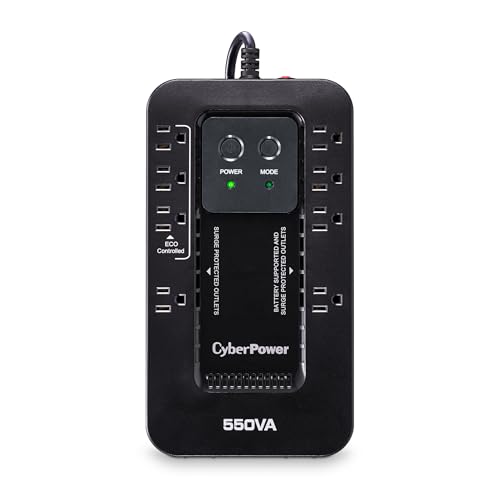
EIGHT NEMA 5-15R OUTLETS: Four battery backup & surge protected outlets, Four surge protected outlets (Three ECO controlled); INPUT: NEMA 5-15P right angle, 45 degree offset plug with five foot power cord

850VA/510W Ecologic Battery Backup Uninterruptible Power Supply (UPS) System uses simulated sine wave output to safeguard workstations, networking devices, and home entertainment equipment

750VA/450W Ecologic Battery Backup Uninterruptible Power Supply (UPS): Uses simulated sine wave technology to provide battery backup power to safeguard workstations, networking devices, and home entertainment equipment
Best Practices for Extended Projector Use
Proper maintenance and operation practices considerably extend a projector’s lifespan while maintaining peak performance quality. Vital maintenance tips include regular cleaning of both the lens and air filters, which prevents dust accumulation and potential overheating issues. Users should guarantee adequate ventilation around the unit and avoid blocking air vents. Eco mode operation significantly reduces lamp wear during extended use periods. Additionally, selecting the appropriate weather-resistant models for outdoor use can help prevent damage caused by environmental factors. Lighting adjustments play a pivotal role in ideal performance. The projector should be used in clean environments with controlled lighting conditions to maximize image quality. Regular calibration of settings helps maintain proper alignment and screen sizing. Professional maintenance is recommended for complex repairs beyond basic upkeep. To protect the device, users should implement proper storage practices, use lens caps when the projector is idle, and maintain recommended positioning during operation.
Recommended Products

Hoesthic Professional replacement projector filters, compatible with the following models:CB-X27 CB-955W CB-955WH CB-965 CB-965H CB-E10 CB-E01E CB-X06 CB-W06 CB-X06E CB-FH06 CB-X51 CB-W52 CB-S03 CB-X03 CB-W03 CB-S03+ CB-W15 CB-X17 CB-99W CB-S18 CB-X18 CB-X20 CB-X21 CB-X22 CB-X24 CB-X25 CB-S31 CB-X31 CB-X31E CB-X36 CB-X41 CB-S41 CB-X49 CB-X05 CB-X05E CB-W05 CB-U05 CB-S05E CB-S04 CB-S04E CB-U04 CB-X04 CB-X39 CB-TZ2000 CB-X29 CB-X30 CB-97 CB-97H CB-98H CB-945 CB-950W CB-U42 CB-W42 CB-X140 CB-W140 CB-U140 CH-TW470C CH-TW490C CH-TW495 CH-TW570 CH-TW750 CH-TW5200 CH-TW5210 CH-TW5300 CH-TW5350 .

Litance Replacement Projector Air Filter for Epson: ELPAF32 / V13H134A32

Replacement Air Filter for Epson Projector: ELPAF39 / V13H134A39
Different Projector Types and Their Continuous Operation Capabilities
Understanding different projector technologies helps users make informed decisions about continuous operation capabilities. Each type offers distinct advantages for extended use, with varying levels of image resolution and brand reliability.
Laser projectors excel at continuous operation, providing up to 20,000 hours of consistent performance with minimal maintenance. LED projectors match this longevity while offering flexibility in mounting positions. Traditional lamp-based projectors, however, require more frequent maintenance with a shorter 2,000-hour lifespan.
DLP and LCoS projectors focus on image quality, with DLP units running quieter than other types. LCoS technology delivers superior blacks and color accuracy but comes at a higher price point. DLP technology projectors are especially well-suited for 24/7 operation due to their durability and resistance to burnout. When choosing a projector for extended use, laser and LED models generally offer the best combination of durability and consistent performance over time.
Recommended Products

High Brightness FHD Laser Projector: Deliver sharp, professional visuals with native 1080p (1920x1080p) resolution and a 1.4-2.2 throw ratio ; powered by a long-lasting laser light source for consistent clarity in any space

AMAZING COLOR ACCURACY: The 92% color accuracy to Rec 709 color standard will make your infographics and logos look perfect.

High Brightness FHD Laser Projector: Experience sharp visuals with native 1080p (1920x1080p) resolution and a 1.1-1.5 throw ratio; providing consistent clarity for professional-grade presentations and high-definition video content
Frequently Asked Questions
Can a Projector Display Cause Damage to Human Eyes Over Time?
While projectors can cause temporary eye strain from prolonged light exposure, they typically don’t cause permanent eye damage when used properly. Regular breaks and appropriate viewing distances help prevent discomfort and maintain eye health.
Does Ambient Room Temperature Affect How Long a Projector Can Run Continuously?
Like a delicate flower wilting in summer heat, a projector’s longevity markedly depends on ambient temperature. Higher room temperatures reduce operational time by compromising cooling efficiency and accelerating component wear, affecting overall performance.
Will Screen Material Quality Impact Projector Performance During Extended Use?
Screen material quality markedly influences projector performance during extended operation. High-quality screens resist quality degradation, maintaining ideal color reproduction and contrast levels, while inferior materials may deteriorate, affecting image clarity and brightness over time.
How Often Should Air Filters Be Cleaned During Continuous Projector Operation?
Studies show filters clog 40% faster in continuous operation. For ideal performance, air filter maintenance should occur every 100 hours, with more frequent cleaning needed in dusty environments during extended projector use.
Can Projector Placement Angle Affect Its Lifespan When Running Continuously?
Improper projection angle and mounting stability can considerably reduce a projector’s lifespan. Incorrect angles restrict airflow and increase heat buildup, while unstable mounting creates additional stress on internal components and cooling systems.