As an Amazon Associate, we earn from qualifying purchases. Some links on this site are affiliate links at no extra cost to you. Our recommendations are based on thorough research and editorial judgment.

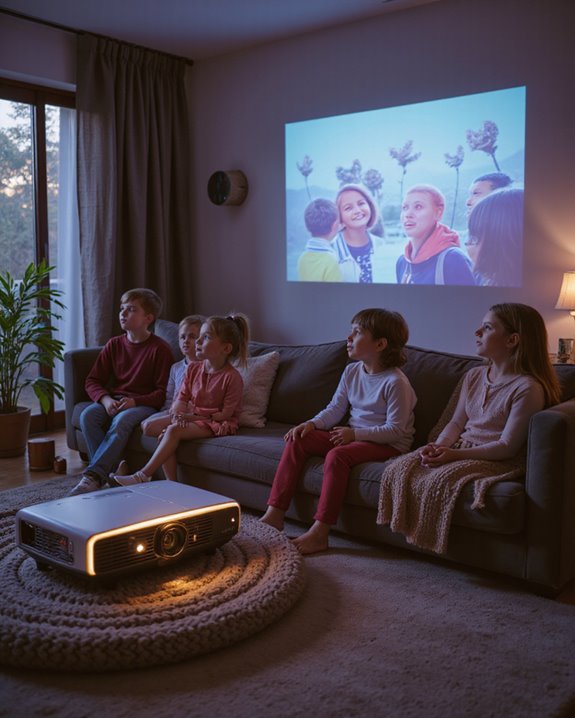
Is Projector TV Safe for Kids?

Projector TVs provide a safer viewing experience for children compared to traditional screens, using reflected light that reduces eye strain and blue light exposure. The diffused lighting creates less direct glare, while proper setup and mounting ensure physical safety. Regular maintenance, appropriate room lighting, and adherence to screen time limits further protect children’s eye health and development. Implementing proper viewing distances and content supervision maximizes the benefits of this technology, with additional safety features offering enhanced protection.
Key Takeaways
- Projector TVs use diffused light reflection, which reduces direct eye strain and creates a safer viewing environment compared to traditional screens.
- Proper mounting and setup away from children’s reach, along with regular safety checks, ensure physical safety during use.
- When combined with appropriate room lighting, projector viewing can minimize eye fatigue and support healthy vision development.
- Projectors emit less blue light than conventional screens, making them potentially safer for children’s sleep patterns and eye health.
- Despite safer technology, parents should still manage screen time and maintain recommended viewing limits for optimal child development.
Understanding Projector TV Safety Basics
You may be interested
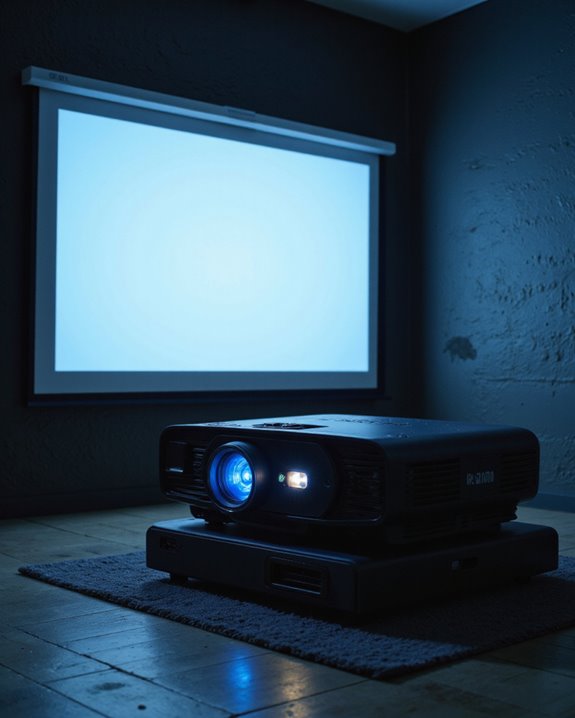
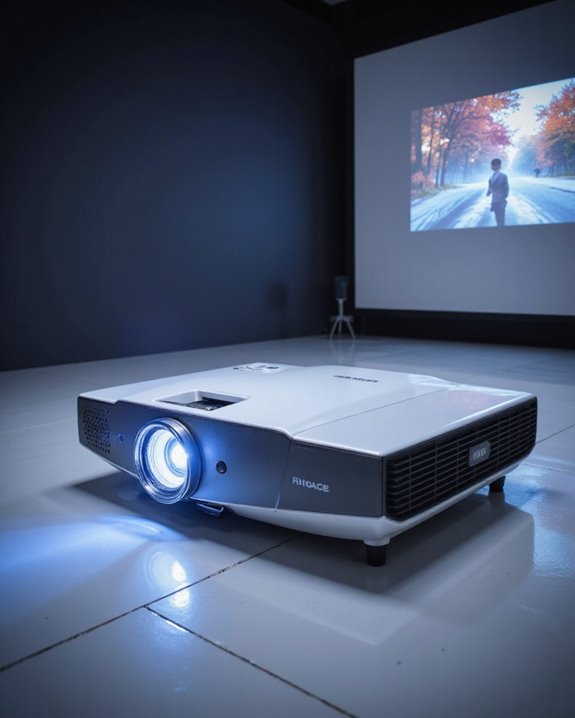
The fundamental aspects of projector TV safety revolve around creating a secure viewing environment for children through proper installation and protective features. Proper projector placement involves mounting devices securely on walls or ceilings, keeping them out of children’s reach while ensuring stability against accidental knocks or vibrations. Projectors offer enhanced eye protection through diffused lighting technology that reflects off walls and screens rather than directly into viewers’ eyes. Additionally, understanding ANSI lumens helps in selecting a projector with adequate brightness for safe, clear viewing without straining the eyes.
Key safety considerations include:
- Installing automatic lens covers to protect sensitive components
- Maintaining proper ventilation for heat management
- Selecting locations with minimal moisture exposure
- Ensuring power cords are properly secured
Regular projector maintenance plays a vital role in sustained safety. This includes checking mounting brackets, cleaning ventilation systems, and verifying that safety features remain functional. Modern projectors often include built-in safeguards like drop resistance and low heat emission, making them increasingly suitable for family environments.
Recommended Products

Universal Ceiling Projector Tray Mount: This ceiling-mounted platform is designed for projectors that don't have mounting holes and fits the majority of projectors on the market. Also can be used to hold a video camera, laptop, or other electronic device

A Roku account and internet connection are required for activation (Creating an account is free). Note: Power Supply: 100-240V AC, 50/60Hz.
![Outdoor-Projector-4K [VIDAA Live TV/40W Dolby/920 ISO] with WiFi6 and Bluetooth Compatible with Netflix, Smart Projector, AI Voice Control & Auto Focus, HDR10, Movie Proyector for Ceiling Home Theater](https://m.media-amazon.com/images/I/51R8227Xr5L._SL500_.jpg)
【2026 No.1 Fast VIDAA OS | Cloud Storage & Data Security】The upgraded X9 PRO 4k projector builds on the classic X9 proyector with superior speakers, higher brightness, and the exclusive VIDAA OS—designed to feel like a smart TV but perform even smoother. Unlike standard Android or Google TV projectors, VIDAA stays fast and stable over months of heavy use, with zero lag. It includes cloud storage to keep local memory free, and no data tracking, no targeted ads, and no personal collection. Kids mode with enhanced privacy protection. Whether at home, camping, or watching live sports, you get a secure, distraction‑free cinema experience every time
Eye Health Benefits and Risks
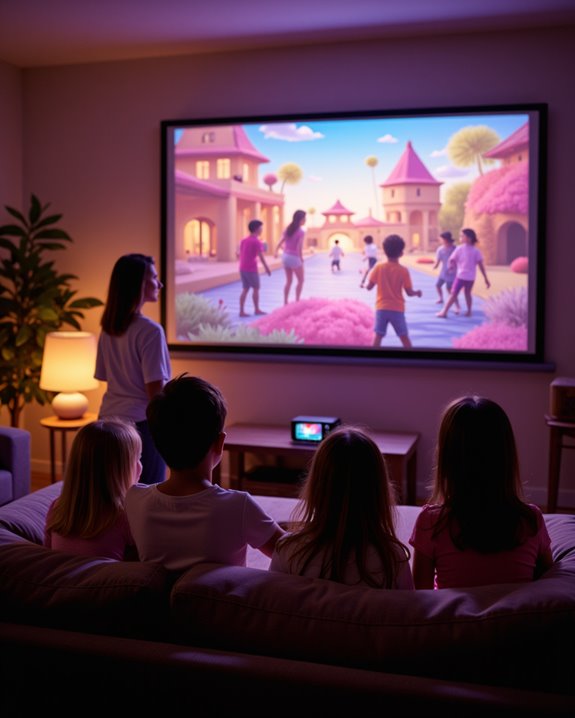
When considering projector TV viewing for children, understanding both the benefits and risks to eye health becomes paramount for parents and caregivers. Projectors offer several advantages over traditional TVs, particularly in reducing eye strain through diffused lighting rather than direct light emission. The reduced Blue Light exposure from projectors can help maintain healthy sleep patterns and minimize long-term vision concerns. High-energy blue-violet light emitted by conventional TVs and screens poses a greater risk to children’s developing eyes compared to projector displays. Additionally, many projector models incorporate blue light filtering technologies to further protect young viewers.
However, certain risks remain consistent with all screen-based activities. Extended viewing sessions can lead to eye fatigue and potential vision problems, regardless of the display type. Parents should implement protective measures such as:
- Following the 20-20-20 rule for regular eye breaks
- Maintaining appropriate viewing distances
- Setting time limits on screen use
- Ensuring proper room lighting
- Encouraging outdoor activities to balance screen time
Recommended Products

CONVENIENT TO STORAGE AND CARRY : Compact one-piece,lightweight and folding design. You can fold the projector screen in small size and put it in your backpack or suitcase

Movie Screen Fabric: Made from white, soft-touch material, our thickened, smooth projector screen is crease-free and nontransparent, delivering brighter colors. It uses washable materials and can be washed either by hand or in a washing machine. Quality is strictly controlled, making it ideal for outdoor projector use.

【Lens Technology】JFXQDR high-quality clear lenses feature OAR double-sided coating, offering 98% light transmittance for exceptional clarity and HD vision. They are scratch-resistant, anti-oil, waterproof, anti-fog, UV-protective, and anti-glare.
Child Development Impact Analysis
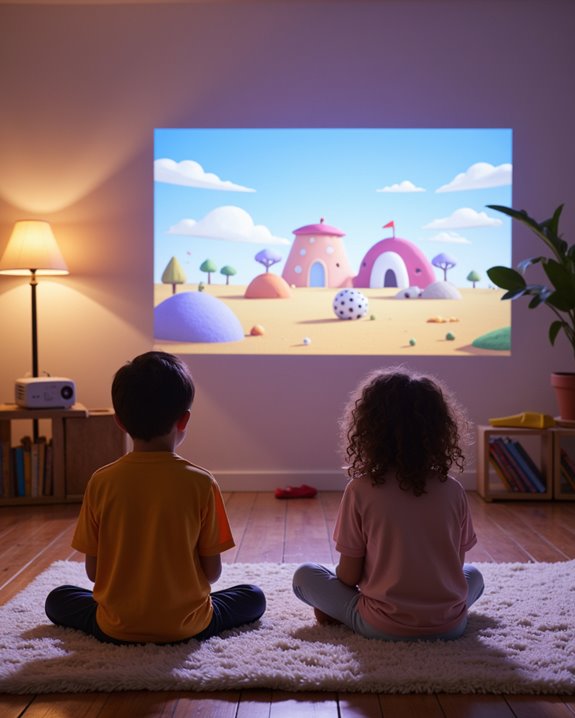
Beyond eye health considerations, projector TV usage markedly shapes children’s developmental trajectory across multiple domains. Research indicates that excessive screen time, regardless of display type, can lead to screen addiction and negative behavioral impacts. Studies show that prolonged exposure affects cognitive development, academic performance, and social-emotional growth. The type of content children view is crucial, as educational screen activities can support positive developmental outcomes. Additionally, the visual quality of projector TVs, including resolution and brightness, can influence how children process visual information and develop visual skills. The effects are particularly pronounced in children aged 2-3 years, with evidence linking increased screen time to:
- Reduced language development and verbal IQ
- Decreased classroom participation
- Lower math and English proficiency
- Impaired emotional comprehension
- Higher risks of depression and anxiety
While projector TVs may offer some advantages over traditional screens, parents should still follow screen time guidelines and ensure content appropriateness. The quality of content and parental co-viewing substantially influence developmental outcomes.
Screen Time Management Tips
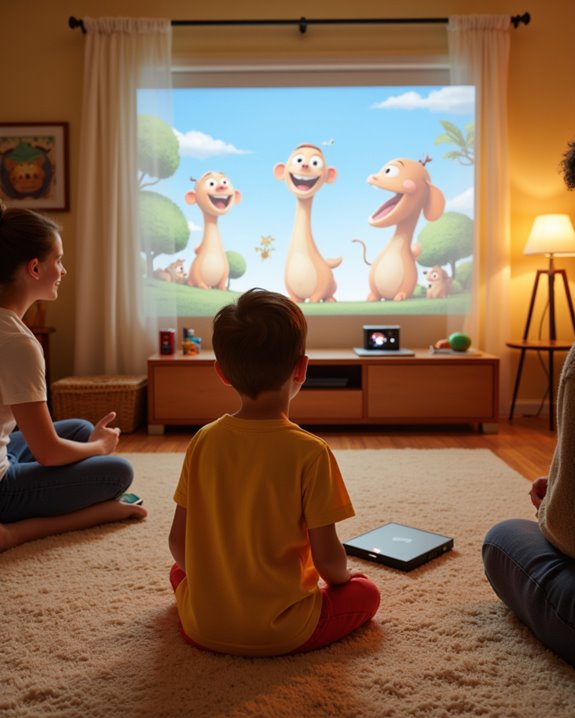
Effective screen time management requires a structured approach built on clear guidelines and consistent implementation. Research shows that establishing specific viewing times and designated screen-free zones helps regulate child engagement with projector TVs and other devices.
Parents can implement several proven strategies to maintain healthy viewing habits:
- Set daily time limits based on age (30-60 minutes for young children)
- Create screen-free areas, especially in bedrooms
- Monitor content quality and educational value
- Model appropriate screen use behavior
Children aged 8-12 spend 4-6 hours daily watching various screens, making it crucial to establish proper limits. Proper parental supervision includes tracking viewing duration and ensuring compliance with established limits. Using screen time tracking tools can help families stay within recommended guidelines. When children exceed limits, redirecting them to alternative activities like reading, outdoor play, or creative projects helps establish balanced daily routines.
Recommended Products

CALMER ROUTINES, ONE DOT AT A TIME - TimeBuddy toddler timer uses colorful countdown dots and a smiley face to help kids see time pass - smoother transitions for anyone who thrives on structure, including children with ADHD, autism, or sensory needs
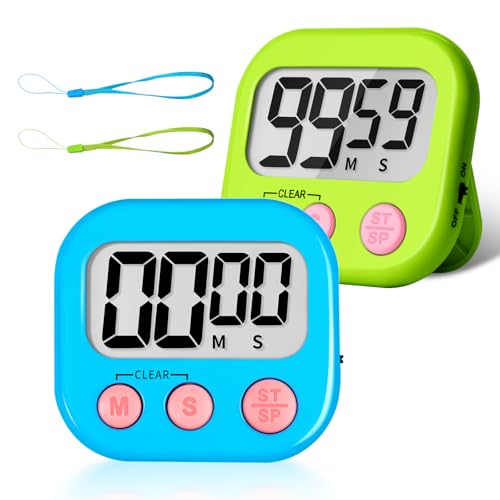
1 Blue & 1 Green Timer: Measures 2.91 * 2.75", large screen, large numbers, easy to read.

Optimal Setup Guidelines
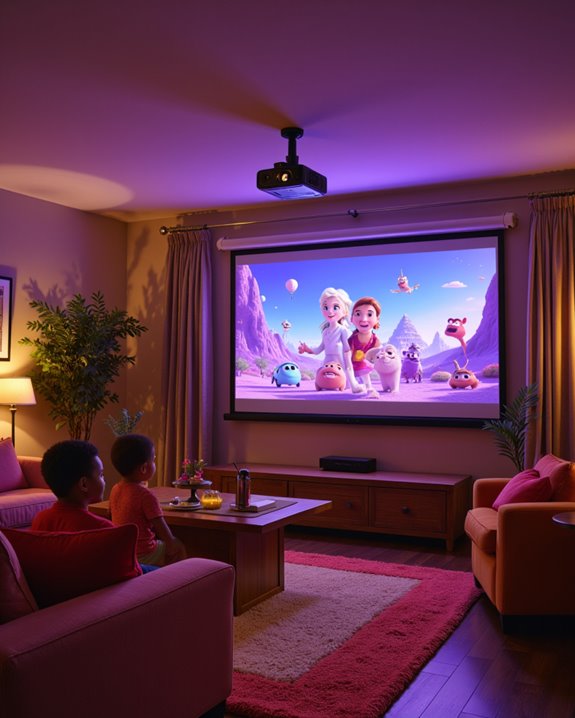
Proper projector setup forms the foundation of a safe viewing environment for children. Key installation tips focus on secure mounting and strategic placement, keeping the device out of children’s reach while ensuring ideal viewing angles. The projector should be firmly attached to dedicated mounting brackets or placed on stable surfaces away from high-traffic areas.
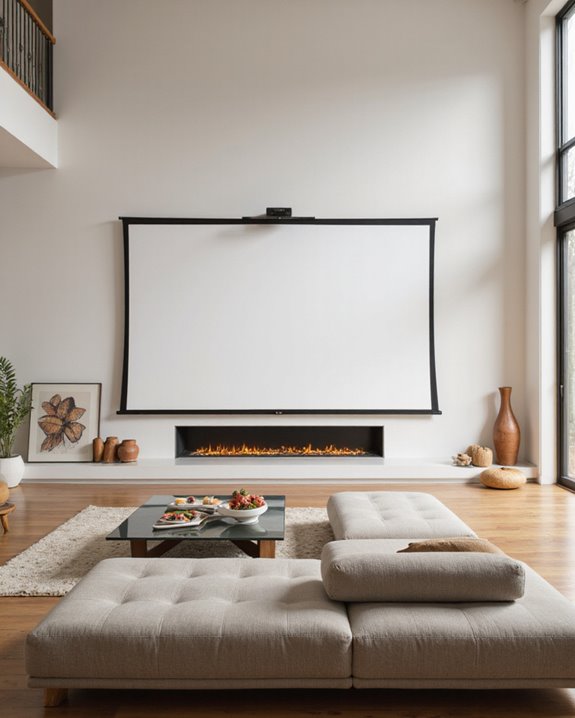
Essential maintenance procedures include regular vent cleaning and cable inspections to prevent overheating and electrical hazards. Installing a protective projector cage helps safeguard against accidental impacts from toys or play activities. Proper ventilation requires maintaining manufacturer-specified clearances around the unit, while heat management is enhanced by selecting LED-based projectors that run cooler. The viewing surface should be a dedicated screen or plain white wall, positioned at a comfortable height for children. Cable management systems must conceal and protect all wiring, reducing tripping hazards and preventing accidental equipment damage.
Recommended Products
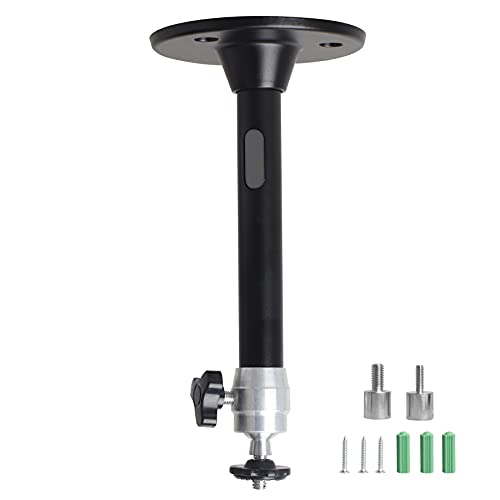
Projector Holder Compatible with QKK,DR.J,DBPOWER,Anker,VANKYO,AAXA,Jinhoo,PVO,TMY,AuKing and Most Other Mini Projector
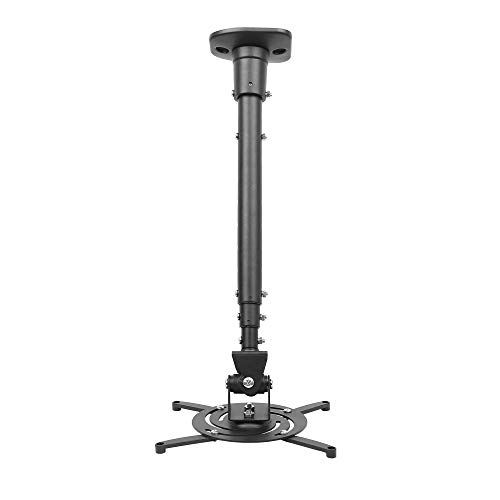
Universally Compatible: This projector ceiling mount supports most projector brands with distance between the mounting holes on back 12.1 inches or less. This mount can be used on flat ceiling.

Versatile Application: PUTORSEN projector ceiling mount is compatible with most manual or spectrum projector screens, Also can be used to hold a video camera, laptop, or other electronic device. The metal 13.77” x 8.66” tray holds up to 22 lbs of weight
Projector Vs Traditional TV Safety
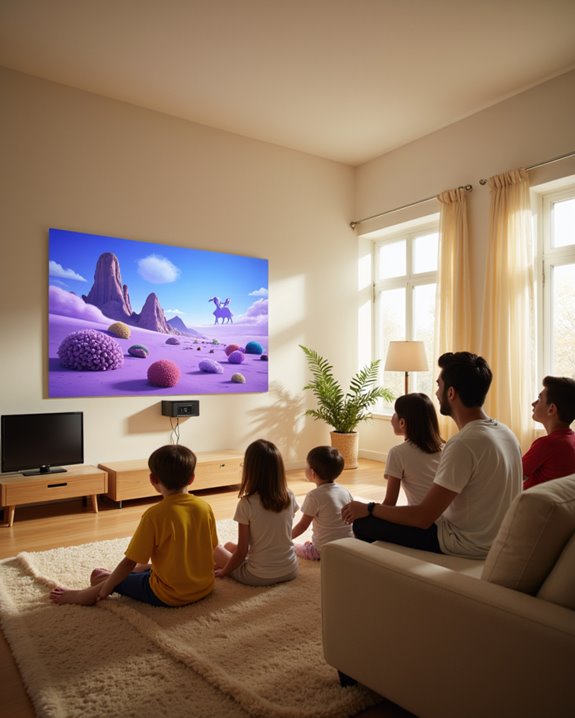
When comparing projector and traditional TV safety for children, several key differences emerge in their impact on eye health and viewing comfort. Projectors utilize reflected light, which creates less direct eye strain compared to traditional TVs that emit light straight into viewers’ eyes. Even with proper color calibration, TVs typically produce more intense blue light exposure than projectors.
The indirect nature of projector light makes it generally safer for children’s developing eyes. Viewing content on projector screens that are larger than 80 inches can significantly reduce eye strain. While both devices can deliver comparable sound quality, the viewing experience differs considerably in terms of eye fatigue. Projectors allow for more flexible viewing distances and larger screen sizes without increasing light intensity. This characteristic, combined with the softer, diffused light reflection, makes projectors a potentially safer option for children’s extended viewing sessions when set up correctly in appropriate room lighting conditions.
Frequently Asked Questions
Can Children Wear 3D Glasses With Projector Screens?
Children can wear 3D glasses with projector screens when properly supervised. Eye safety is maintained through proper distance, well-fitted glasses, and following usage guidelines. Parents should monitor duration and comfort during viewing sessions.
How Often Should Kids Take Breaks When Watching Projected Content?
Studies show children who take 10-minute breaks every 30 minutes experience 50% less eye strain. Kids should follow regular screen time limits and pause viewing frequently, regardless of projected or traditional content.
Do Projector Screens Cause Motion Sickness in Young Children?
Projector screens can potentially cause motion sickness in young children, leading to visual discomfort and screen fatigue. Individual susceptibility varies, and symptoms may be more pronounced due to children’s developing vestibular and visual systems.
Are Mini Portable Projectors as Safe as Full-Sized Ones?
Both mini portable and full-sized projectors offer comparable safety considerations. While mini projectors excel in durability and heat management, full-sized units provide advanced eye protection and safer mounting options through size-based advantages.
What Age Is Appropriate to Start Using Interactive Projector Games?
Interactive play with projector games can safely begin at age 3 when developmentally appropriate content is selected. These games offer developmental benefits through physical movement, basic education, and social interaction as children progress through different stages.