As an Amazon Associate, we earn from qualifying purchases. Some links on this site are affiliate links at no extra cost to you. Our recommendations are based on thorough research and editorial judgment.

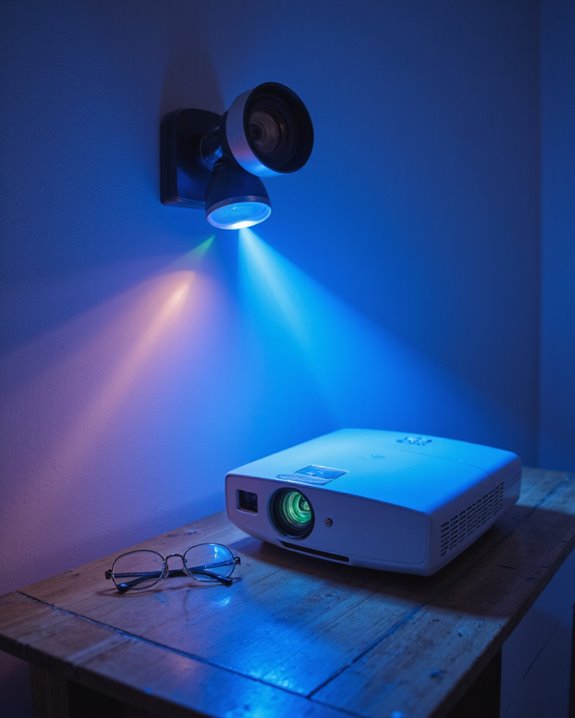
Do Projectors Emit Blue Light? Understanding Eye Safety

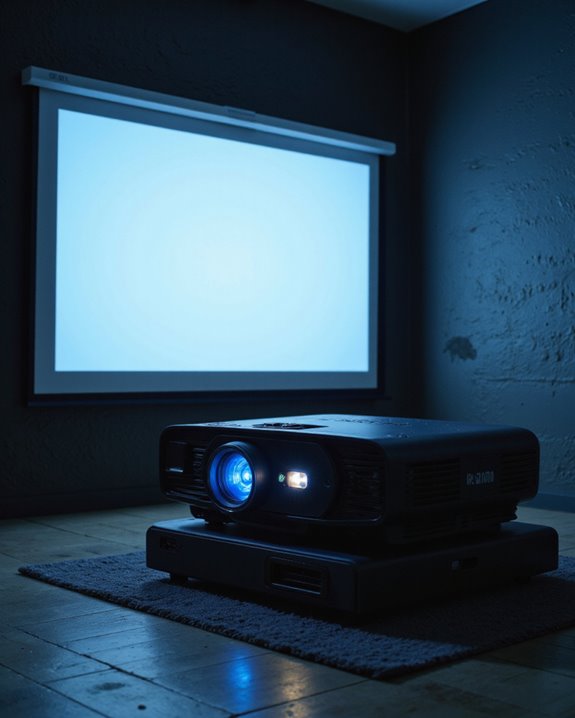
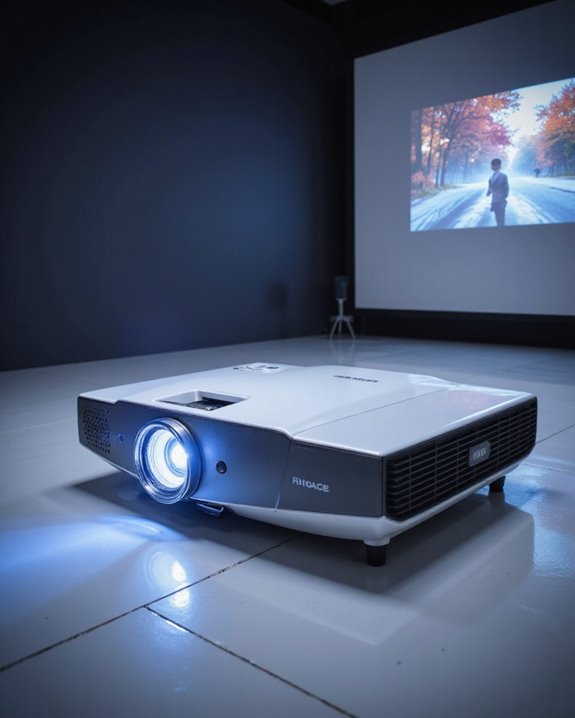
Projectors do emit blue light—a high-energy visible (HEV) light between 400–450 nanometers—but typically at lower intensities and with more diffused, reflected light than smartphones, tablets, or TVs. This reduces direct exposure and may offer gentler viewing. Chronic blue light exposure can still lead to eye strain, potential retinal effects, and sleep disruption. Modern projectors use filters, warm color settings, and hybrid light sources to further limit blue light risks. Next, compare projector safety to other screens and discover reduction strategies.
Key Takeaways
- Projectors do emit blue light, but typically at lower intensity and concentration than TVs, smartphones, or computer screens.
- Projectors use reflected light, which is gentler on the eyes compared to the direct light emitted by TVs and monitors.
- Prolonged blue light exposure, even from projectors, can potentially contribute to eye strain and disrupt sleep patterns.
- Modern projectors often include blue light reduction technologies, such as special filters and adjustable color temperature settings.
- To minimize blue light exposure, adjust projector settings, control ambient lighting, and take regular breaks during use.
How Projectors Emit Blue Light Compared to Other Devices
You may be interested
Although many people worry about blue light exposure from electronic devices, projectors emit blue light differently compared to smartphones, tablets, and televisions. Projectors produce light that first bounces off a surface, such as a wall or screen, before reaching viewers. This reflected light is softer, and the emission intensity—how strong the light is—tends to be lower than the direct light from screens. The blue light spectrum, which refers to the range of blue wavelengths emitted, is also less concentrated in many projectors, especially in laser and LED models. Key differences include:
- Projectors emit less direct blue light than TVs or monitors.
- Reflected, diffuse light reduces overall emission intensity.
- Some projectors use special filters and technologies to lower blue light output.
This makes projectors generally less intense sources of blue light.
Recommended Products

High Intensity: Blue warning light can keep you safe when you're working or drive in daylight, midnight, raining, fog or snow days and other low visibility areas to reveal your location for working. The life of this product can reach more than 50,000 hours, ensuring that the forklift can still work effectively before it reaches the service life.

【Lens Technology】JFXQDR high-quality clear lenses feature OAR double-sided coating, offering 98% light transmittance for exceptional clarity and HD vision. They are scratch-resistant, anti-oil, waterproof, anti-fog, UV-protective, and anti-glare.

【Lens Technology】JFXQDR high-quality clear lenses feature OAR double-sided coating, offering 98% light transmittance for exceptional clarity and HD vision. They are scratch-resistant, anti-oil, waterproof, anti-fog, UV-protective, and anti-glare.
Eye Safety and Potential Hazards of Blue Light Exposure
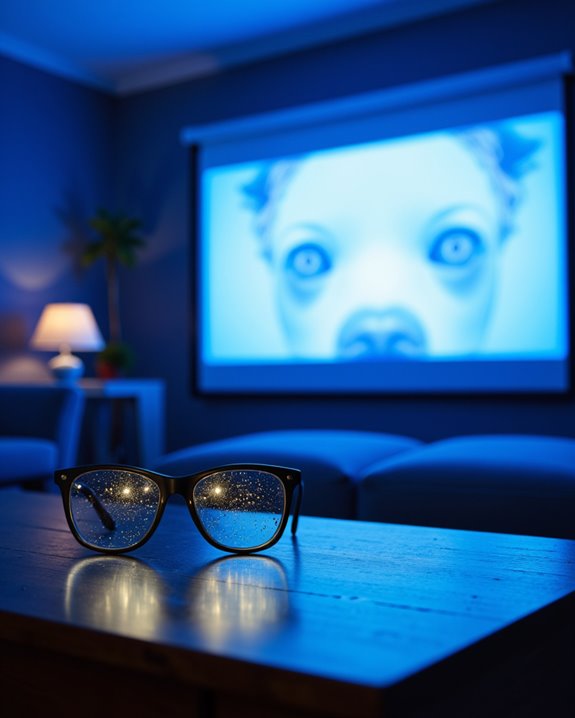
Because blue light is a high-energy visible (HEV) light with wavelengths between 400 and 450 nanometers, experts have raised concerns about its potential effects on eye safety and health. Prolonged exposure to blue light, emitted by devices such as projectors and screens, can pose several risks:
- Retinal health may be compromised, as high-energy blue light can cause phototoxic effects and potentially damage retinal cells.
- Chronic exposure has been linked to an increased risk of age-related macular degeneration (AMD).
- Blue light disrupts circadian rhythms, impacting sleep quality.
- Advances in projector technology aim to reduce blue light emissions and mitigate these risks.
Blue light filtration, using glasses or screen filters, can reduce exposure. Children are especially vulnerable due to less natural filtration in their eyes. Health agencies recommend limiting blue light, particularly in the evening, and scheduling regular eye exams for monitoring.
Recommended Products

[Filter Blue light Glasses] Blue light filterer with UV400 protection, help you resist harmful blu-ray, reduce discomfort from TV, phone, digital screen and reading under fluorescent lights; Reduce glare, fatigue, eye strain and dry eye, protect your vision and help sleep better

BLUE LIGHT BLOCKING GLASSES: Our blue light glasses for women boast UV400 protection, blocking harmful blue rays from computer screens. With these bluelight glasses women, you can enjoy gaming, reading, or watching TV with no worries of eye strain.
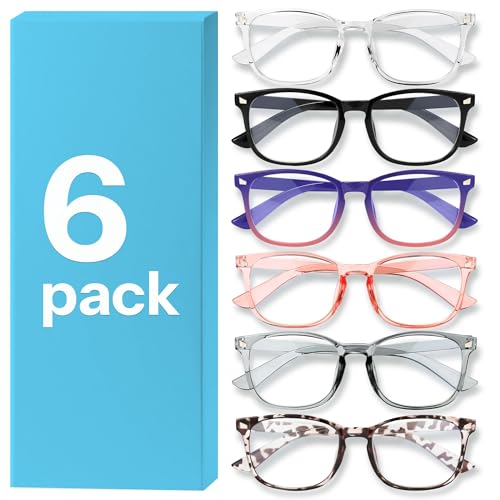
Anti Glare Blue Ray Glasses: Our blue light glasses effectively block harmful blue light emitted from various electronic screens. These blue light blocking glasses filter harmful light waves and UV 400, providing optimal eye protection.
Projectors Versus TVS: Which Is Gentler on Your Eyes?
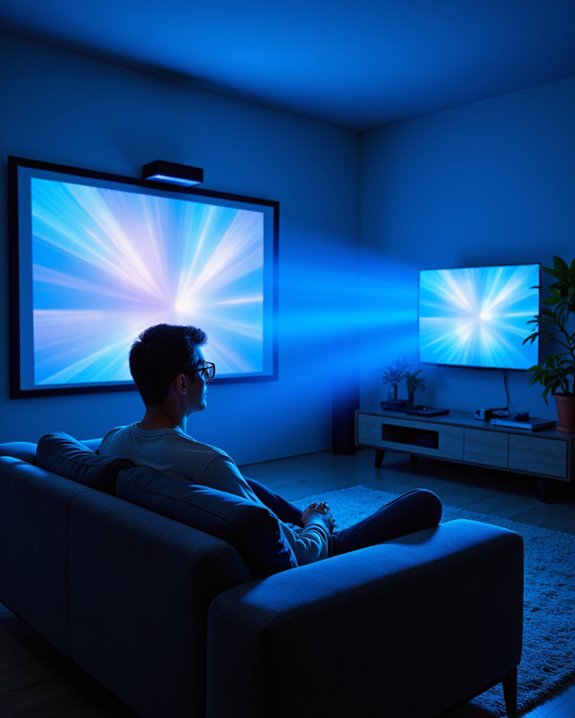
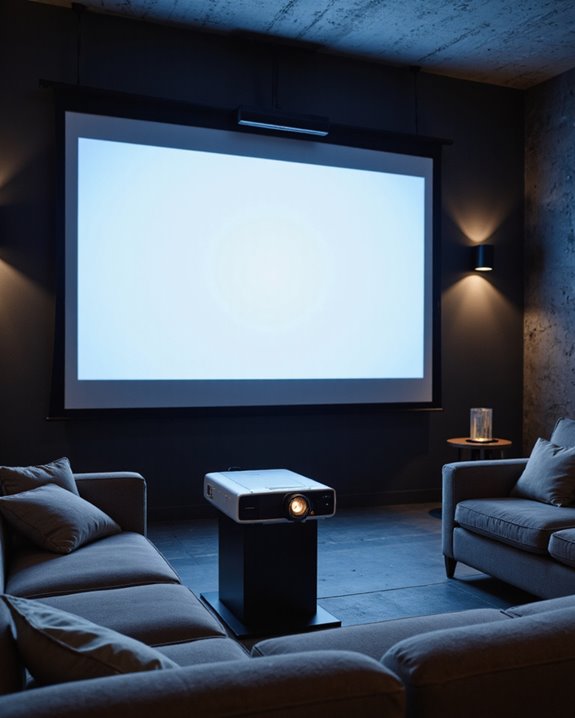
When comparing projectors and TVs for eye comfort, projectors generally offer several advantages. Projectors use reflected light, meaning the image bounces off a screen before reaching the viewer’s eyes. This reflected light is softer and less intense than the direct light emitted by TVs. Lower screen brightness in projectors helps reduce eye strain, while their larger screen sizes allow viewers to sit farther away, further increasing comfort. TVs, by contrast, emit direct light and often have higher brightness and contrast levels, which can cause more eye fatigue. Additionally, modern projectors incorporate blue light diffusion technology to further minimize eye discomfort during extended viewing sessions.
Recommended Products

【The Latest WIFI 6 Technology And Bluetooth 5.3】This projector with Wi-Fi and Bluetooth is equipped with the latest Wi-Fi 6 technology, compatible with Wi-Fi 6, 5G and 2.4G, offering faster connection speed and stronger stability, eliminating buffering and disconnection issues, and ensuring smoother online content playback. Additionally, it is fitted with the latest Bluetooth 5.3 chip, allowing for easy connection to Bluetooth speakers, headphones or other Bluetooth audio devices, providing a more efficient and stable transmission channel, and enabling users to enjoy higher audio quality with ease

A Roku account and internet connection are required for activation (Creating an account is free). Note: Power Supply: 100-240V AC, 50/60Hz.

Note: For the best viewing experience, we recommend a 5.2ft distance for a 80" screen. Please also upgrade to the latest firmware for optimal performance.
Practical Ways to Minimize Blue Light From Projectors
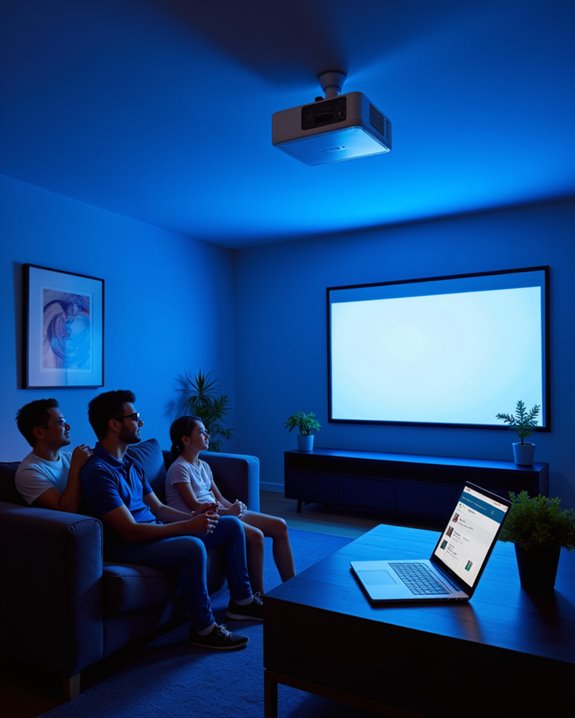
Projectors, while generally gentler on the eyes than TVs, still emit blue light that can contribute to eye strain and discomfort over time. To minimize exposure, several practical strategies are recommended. Screen adjustment is essential—lowering the color temperature to warmer tones and reducing brightness both help decrease blue light emission. Adjusting the contrast ratio can further balance light output. Ambient control, or managing the lighting in the room, is also important. This includes:
- Using dimmable, warm-toned lights,
- Avoiding direct glare on the screen,
- Leveraging natural light when possible.
Additional measures include applying blue light filters or screen protectors to the projected image, wearing blue light glasses, and following the 20-20-20 rule: take breaks every 20 minutes to rest eyes and reduce strain. Implementing projection technology that supports adjustable settings can also help tailor the image to healthier viewing standards.
Recommended Products

🖥️ Reduce Eye Strain & Improve Sleep: Our blue light blocking glasses help reduce harmful blue light emitted by digital screens. These blue light glasses are ideal computer glasses for daily screen use, scientifically designed to limit exposure that disrupts melatonin production and circadian rhythm.

BLUE LIGHT BLOCKING: Our blue light glasses for men and women boast UV400 protection, blocking harmful blue rays from electronic screens.

【Anti-Glare Blue Light Glasses】- Anti blue light glasses can effectively help you block harmful blue light from computer/phone/TV screen, filter harmful light waves and reduce glare, protect your eyes from the harmful effects of blue light.
Latest Research and Trends in Projector Blue Light Technology
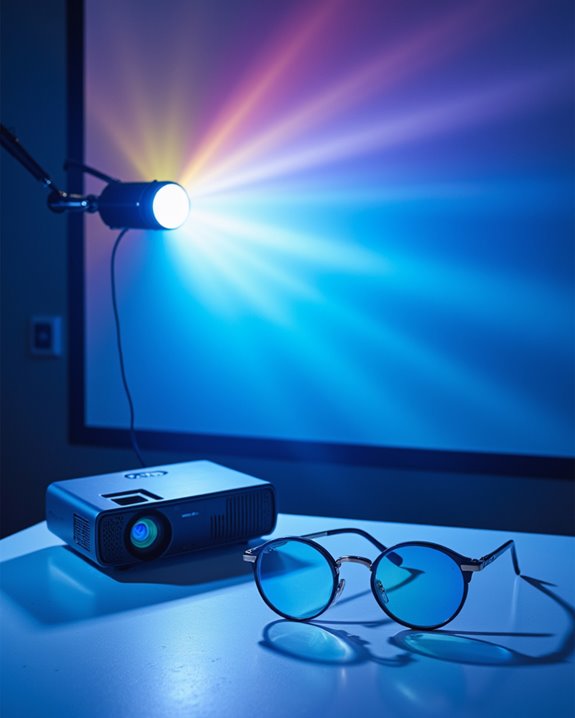
How have projector manufacturers responded to growing concerns about blue light exposure? The latest research shows a shift toward advanced light filtering methods and new display technologies. Manufacturers are now integrating quantum dot materials—tiny semiconductor particles that improve color and brightness—into projectors to enhance image quality and reduce blue light emission. Hybrid light sources, such as combinations of lasers and LEDs, use light filtering to specifically target and minimize harmful wavelengths in the 400-450 nanometer range.
- Micro LED projectors are under development, aiming to further decrease blue light output.
- Specialized filters, built into new projector models, reduce blue light without sacrificing sharpness.
- AI-powered smart projectors adjust brightness and contrast in real time to limit eye strain.
Patent filings highlight innovations in Micro-QLED and three-piece systems, focusing on efficient, safer projection.
Recommended Products

Gel filter material: these gel filters are made of high light transmission plastic material, lightweight, steady color temperature and low loss, helpful to use

【Variable Color】Package include 14 pcs of gel light filters in total.If you feel the colored plastic sheets are transparent,you could to double (or more) up to get the deep color you want.
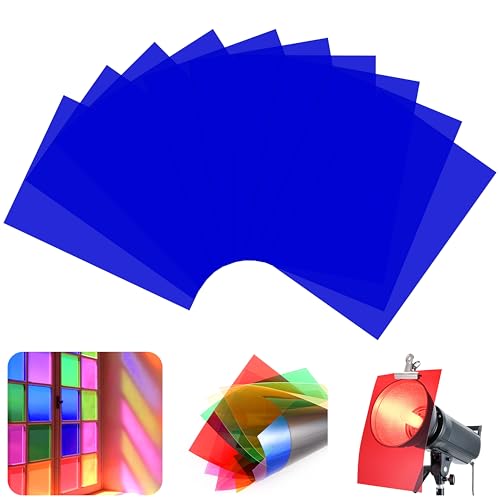
Package Contents: This set comes with 10 lighting gels in Dark Blue. With these vibrant color sheets, you'll have the perfect color for any lighting need! (Please remove the coverings on the both sides of the filters before use and It's not a sticker.)
Frequently Asked Questions
Can Wearing Blue Light Glasses Help While Watching Projector Content?
Wearing blue light glasses offers some blue light protection and may help reduce eye strain when watching projector content, especially during prolonged sessions or in dim environments, though benefits are less pronounced compared to direct-view screens like TVs or smartphones.
Are Certain Projector Brands Better for Eye Comfort?
Choosing a projector for eye comfort is clearly a life-or-death decision—brands like XGIMI, BenQ, and Epson tout superior projector brightness and screen resolution, while innovating blue light reduction features to pamper sensitive modern eyeballs.
Does Projector Screen Material Affect Blue Light Reflection?
Projector screen reflection and material impact are significant factors; high-quality and specialized materials can minimize blue light reflection and distribute light more evenly, potentially reducing eye strain and altering viewers’ overall perception of blue light during projection.
Is Blue Light From Projectors Harmful to Pets?
Blue light effects from projectors can pose risks to pet eye health, particularly with prolonged or intense exposure. Animal studies indicate potential retinal damage and circadian disruption, emphasizing the need to minimize pets’ exposure to projector blue light.
Can Projector Blue Light Cause Headaches or Migraines?
Much like a mischievous sprite weaving through a sunlit forest, blue light exposure can act as a migraine trigger for sensitive individuals, intensifying headaches and photophobia by activating specific neural pathways associated with light sensitivity and discomfort.