As an Amazon Associate, we earn from qualifying purchases. Some links on this site are affiliate links at no extra cost to you. Our recommendations are based on thorough research and editorial judgment.

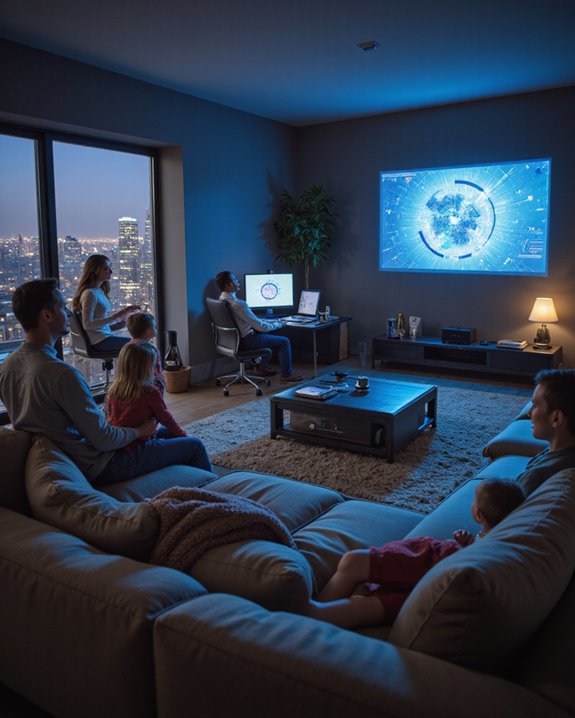
Who Uses a Projector TV? Common Users and Applications

Projector TVs are widely used across multiple sectors, with educational institutions leading adoption at over 50% for classroom displays. Business environments utilize them for presentations and training, while home theater enthusiasts create immersive viewing experiences with screens up to 300 inches. Gaming venues and esports facilities employ projectors for large-format competitive play. Modern projector technology, from DLP to laser systems, continues evolving to meet diverse user needs. Additional applications showcase the technology’s expanding versatility beyond traditional settings.
Key Takeaways
- Educational institutions rely heavily on projectors, with over 50% of classrooms using DLP systems for interactive learning and presentations.
- Business professionals use projectors in meeting rooms and conference spaces for presentations, training sessions, and corporate communications.
- Home theater enthusiasts install projectors for immersive movie-watching experiences with screen sizes between 100-300 inches.
- Gamers and esports venues utilize projectors for large-scale displays, supporting 4K resolution and high refresh rates.
- Entertainment venues and public spaces employ projectors for digital art installations, public displays, and large-scale visual presentations.
Understanding Projector TV Technology and Its Evolution
You may be interested
The evolution of projector TV technology represents a significant journey spanning over seven decades of visual innovation. Beginning in the 1950s, projection advancements transformed corporate presentations with the introduction of CRT (Cathode Ray Tube) projectors, which used three tubes to display primary colors. Brightness levels and native resolutions have continually improved, resulting in clearer and more vibrant images for various applications. Document cameras have replaced many traditional opaque projectors while offering enhanced digital connectivity and features. Display innovations accelerated in the 1990s when integrated computer projectors emerged, combining digital panels with projection capabilities. The technology landscape shifted dramatically as LCD (Liquid Crystal Display) and DLP (Digital Light Processing) projectors replaced bulky CRT systems, offering improved portability and image quality. Modern laser projectors now represent the cutting edge of projection technology, delivering enhanced brightness and efficiency. These improvements have made projector systems more versatile and practical for various applications, from home theaters to professional venues.
Recommended Products

Powered by RGB Triple Laser: The X-Master RGB triple laser engine delivers 3200 ISO lumens and a 100,000:1 contrast ratio for vivid, accurate colors and exceptional image depth—perfect for immersive viewing anytime.

High Brightness FHD Laser Projector: Experience sharp visuals with native 1080p (1920x1080p) resolution and a 1.1-1.5 throw ratio; providing consistent clarity for professional-grade presentations and high-definition video content

Premium 4K UHD Laser Projector: Experience high-fidelity 4K UHD (3840x2160p) resolution powered by 5,500 ANSI lumens; providing incredible brightness and clarity for large-scale home theaters and expansive entertainment venues
Educational Institutions Leading the Way in Projector Adoption

Since the early 2000s, educational institutions have emerged as frontrunners in projector technology adoption, with over half of classroom projectors now utilizing DLP systems. Schools and universities increasingly rely on interactive display features to enhance student engagement and facilitate collaborative learning environments. The integration of high-brightness projectors with ambient light rejection screens allows for clearer visuals even in brightly lit classrooms. The COVID-19 pandemic accelerated this trend, pushing institutions to adapt their projection calibration for hybrid learning models. With 99% of public schools equipped with internet access, educational facilities are well-positioned to leverage modern projector capabilities. About 40% of schools are switching to mobile projection systems, allowing for flexible classroom setups and improved teaching methods. This shift reflects the broader transformation in educational technology, where projectors serve as essential tools for both in-person and remote instruction delivery. Recent data shows 65% of smart classrooms now incorporate DLP projectors as part of their standard educational technology infrastructure.
Recommended Products

For Projection Needs From Cookie Decorating to Movies: Pocket projector produces clear and bright video/imaging for entertainment/office and creative use. Up to 150” adjustable screen meet the projection needs of screen mirroring (PPT presentation/ videos) and image/text tracing (decorate cookies or art).
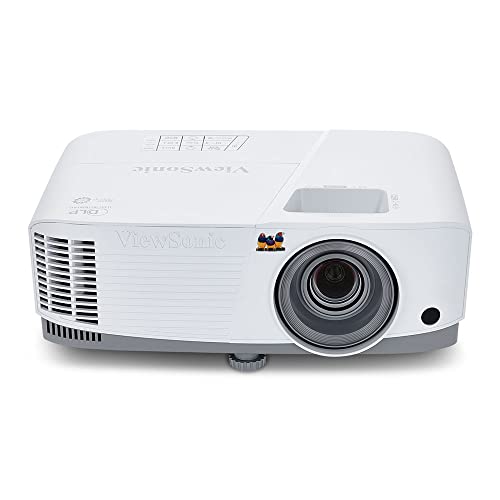
High Brightness DLP Lamp Projector: Deliver crisp text and vibrant images with WXGA (1280x800p) resolution and a 1.5-1.7 throw ratio; ideal for professional presentations and collaborative tasks in any workspace
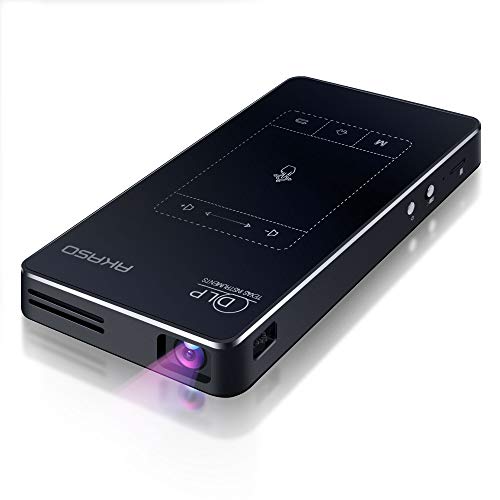
Super Portable Projector: With a compact (5.713.150.79 inches) and lightweight (0.64lbs) design, this projector can be easily packed and taken with you on the go. Built-in 5000mAh battery that can support approximately 2 hours of screen projection. It is suitable for use at home or outdoor activities.
Business Applications and Corporate Meeting Spaces
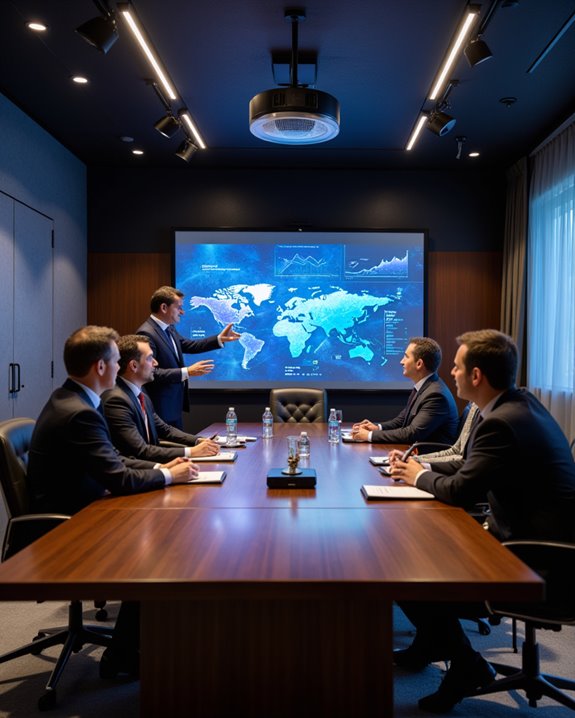
While educational institutions pioneered widespread projector adoption, corporate environments have emerged as another significant domain for projection technology. Businesses utilize projectors extensively in meeting rooms and conference spaces for presentations, corporate branding initiatives, and visual merchandising displays. With the eLearning industry projected to reach $374 billion by 2026, many businesses are integrating projectors into their digital learning environments.
Modern projectors serve multiple functions in business settings, from facilitating interactive training sessions to enabling cost-effective large-group presentations. Their versatility allows companies to transform any room into a professional presentation space, making them particularly valuable for:
- High-impact client presentations
- Employee training and development
- Team collaboration sessions
- Product demonstrations
- Corporate event displays
The technology’s advancement has brought features like wireless connectivity, 4K resolution, and enhanced brightness levels, making projectors an essential tool for businesses seeking professional visual solutions without the space requirements and expense of multiple large displays. These innovations support seamless integration with existing digital infrastructures, further boosting their adoption across various industries.
Home Theater Enthusiasts and Entertainment Setups
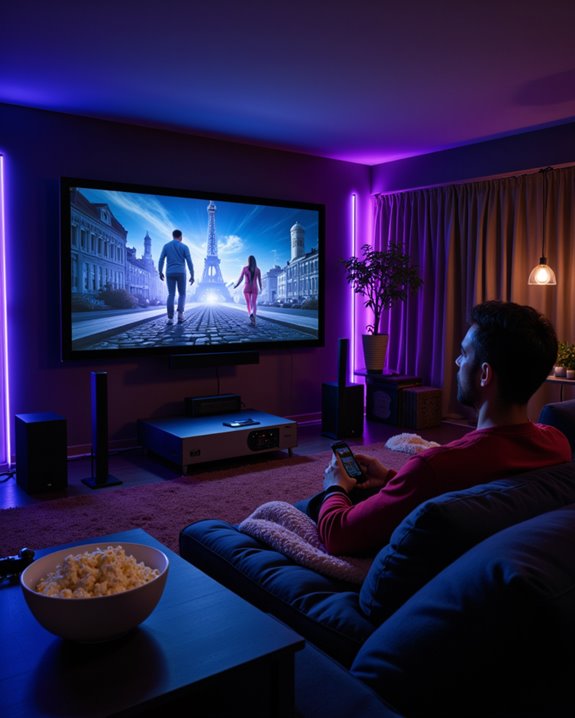
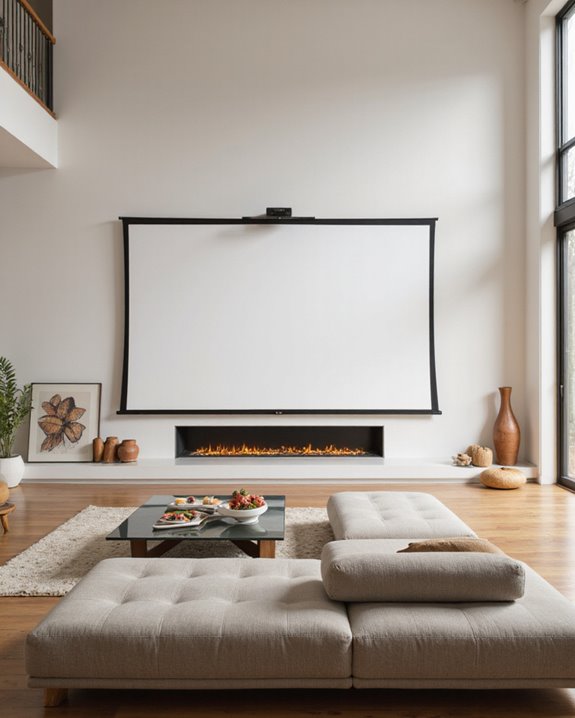
Modern home theater enthusiasts represent a dedicated segment of projector users who prioritize creating immersive cinematic experiences within their living spaces. These users take advantage of projectors’ ability to display images on screens ranging from 100 to 300 inches, far surpassing typical TV dimensions. They often integrate advanced audio systems and portable screens for maximum flexibility in their setups.
Home theater enthusiasts appreciate the versatility of projectors, using them not only for movies but also for creative applications like art installations and gaming. The combination of customizable screen sizes, flexible mounting options, and compatibility with various audio configurations allows them to transform ordinary rooms into professional-grade entertainment spaces. Many enthusiasts choose between traditional lamp-based systems and newer laser projectors, depending on their specific needs for brightness, color accuracy, and longevity. Serious enthusiasts often invest in models like the Epson Home Cinema 5050UB for its superior contrast ratio and excellent color accuracy.
Recommended Products
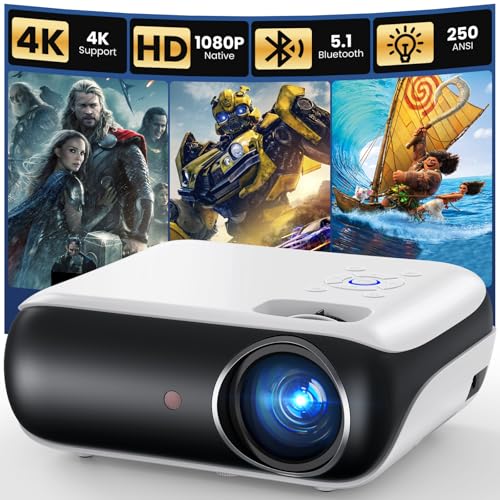
[ Native 1080P Full HD Resolution ] - Enjoy crystal-clear visuals with HAPPRUN H1's native 1920x1080 resolution, delivering sharper, brighter, and more vibrant images for an immersive viewing experience. This 1080p projector is perfect for creating a stunning home theater or bedroom projector setup

A Roku account and internet connection are required for activation (Creating an account is free). Note: Power Supply: 100-240V AC, 50/60Hz.
![[Officially-Licensed App & Auto Focus]White Smart Mini Projector with WiFi and Bluetooth, XuanPad 4K Support Movie Projector, Portable Native 1080P Outdoor Projector with 360° Stand](https://m.media-amazon.com/images/I/51I8uy-U8bL._SL500_.jpg)
Exciting Moments Begin - The XuanPad mini projector compatible with Netflix for the ultimate viewing experience.No extra devices or complicated setup needed—just enjoy instant access to a vast library of movies with immersive, smart TV-like quality.XuanPad smart projectors are compatible with a variety of built-in apps like YouTube and Prime Video, and support for wireless screen mirroring and HDMI. Whether it's movie night, a gaming session, or camping, our licensed projectors can meet your customized entertainment needs.
Gaming Communities and Competitive Esports Venues
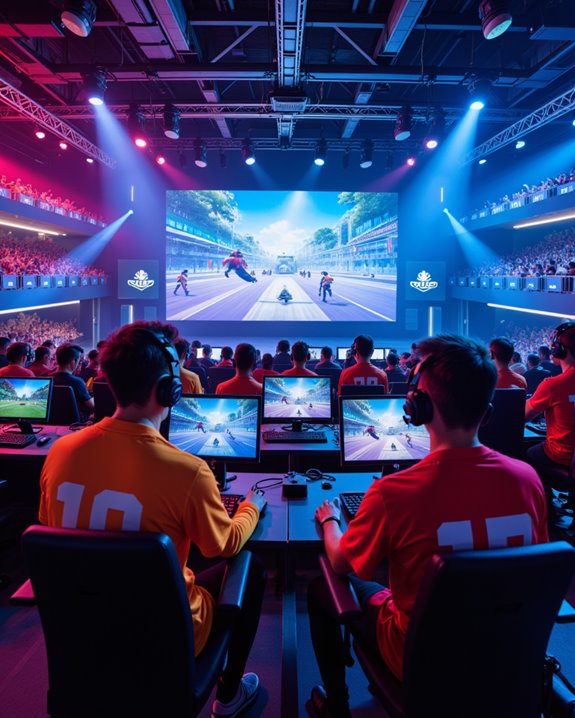
The explosive growth of gaming communities and esports venues has transformed how projector technology serves competitive players and spectators alike. Projectors deliver superior gamer immersion through massive display sizes, offering a cost-effective alternative to large TVs while maintaining 4K resolution at 60Hz refresh rates. Modern gaming projectors now commonly feature HDR support to enhance visual quality and depth. This technology proves especially valuable for group gaming sessions and tournaments.
In competitive esports venues, large-scale esports displays serve as centerpieces for audience engagement. These venues increasingly rely on projector systems that can be integrated with other technologies to create immersive viewing experiences. The global esports market, growing at 24.4% annually through 2027, drives continuous innovation in display solutions. Projectors’ portability and flexibility make them ideal for both permanent gaming arenas and temporary tournament setups, supporting the industry’s rapid expansion.
Recommended Products
![Smart 4K Projector [Google TV Stick Built-in & 360° Stand] with WiFi 6, Bluetooth 5.3, HDR10, 30W Hi-Fi, AI Auto Focus, Outdoor Portable Short Throw Movie Projector for Home Theater Bedroom Ceiling](https://m.media-amazon.com/images/I/41zno6cZMFL._SL500_.jpg)
[Google TV Built-in | 10,000+ Apps | Voice Control] The smart projector with wifi and bluetooth features Google TV—no TV stick needed. Enjoy instant access to 10,000+ apps, including Netflix, YouTube, Prime Video, Disney+, and more, plus 800+ live TV channels covering ESPN, Fox Sports, CNN, NBC, and more. All seamlessly integrated into one easy-to-use home screen. Use the voice remote with built-in Google Assistant to search for movies, control playback, or ask about the weather. Whether you're staying up to date with live events, binge-watching your favorite series, or cheering for your team or watching blockbusters, the Google TV projector transforms any room into a personal theater.
![Outdoor-Projector-4K [VIDAA Live TV/40W Dolby/920 ISO] with WiFi6 and Bluetooth Compatible with Netflix, Smart Projector, AI Voice Control & Auto Focus, HDR10, Movie Proyector for Ceiling Home Theater](https://m.media-amazon.com/images/I/51R8227Xr5L._SL500_.jpg)
【2026 No.1 Fast VIDAA OS | Cloud Storage & Data Security】The upgraded X9 PRO 4k projector builds on the classic X9 proyector with superior speakers, higher brightness, and the exclusive VIDAA OS—designed to feel like a smart TV but perform even smoother. Unlike standard Android or Google TV projectors, VIDAA stays fast and stable over months of heavy use, with zero lag. It includes cloud storage to keep local memory free, and no data tracking, no targeted ads, and no personal collection. Kids mode with enhanced privacy protection. Whether at home, camping, or watching live sports, you get a secure, distraction‑free cinema experience every time
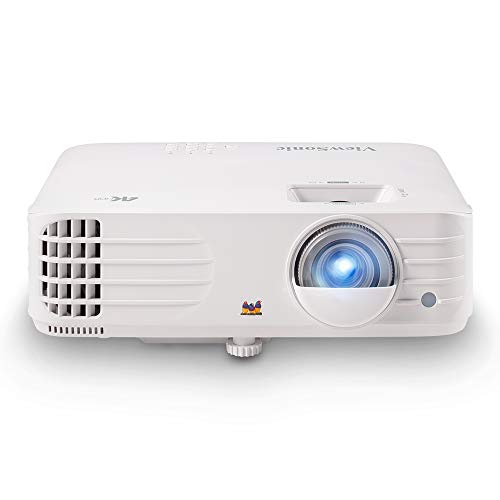
True 4K UHD Home Theater Projector: Elevate your viewing with stunning 4K (3840x2160p) resolution and 3,200 ANSI lumens; perfect for delivering sharp, detailed images in gaming dens and media rooms with ambient light
Frequently Asked Questions
How Long Do Modern Projector Bulbs Typically Last Before Needing Replacement?
Bright and bold, clear and crisp, modern projector bulb lifespans vary markedly by type. UHP and UHM bulbs require replacement after 2,000-4,000 hours, while LED and laser systems offer extended intervals of 20,000-50,000 hours.
Can Projectors Work Effectively in Rooms With Ambient Light?
Projectors can function in rooms with ambient light when using sufficient brightness levels (2,000-3,000 lumens). However, ambient light challenges require proper adjustments, including specialized screens and strategic placement to maintain ideal image quality.
What’s the Minimum Distance Needed Between Projector and Screen?
While 80% of standard projectors require 8-12 feet distance, the minimum distance varies by screen size and projector type. Projector placement guidelines suggest 1.5 times the screen width as a general minimum spacing requirement.
Do Projectors Consume More Electricity Than Traditional TVS?
Power efficiency varies between models. Modern projectors can consume less electricity than comparable-sized TVs, though high-end projectors may have higher energy consumption. LED projector technology generally offers better power efficiency than traditional options.
Can Outdoor Projectors Function Properly in Cold Weather Conditions?
Outdoor projectors can function in cold weather with proper precautions. Models designed for outdoor durability include temperature control systems and protective enclosures. However, extreme cold may affect performance and require additional protective measures.